Enroll Now ×
Home About - PAKHAWAJ - LEGACY - GURU - Performances Lessons Testimonials Gallery Featured On Contact
Nana Panse Gharana · Varanasi

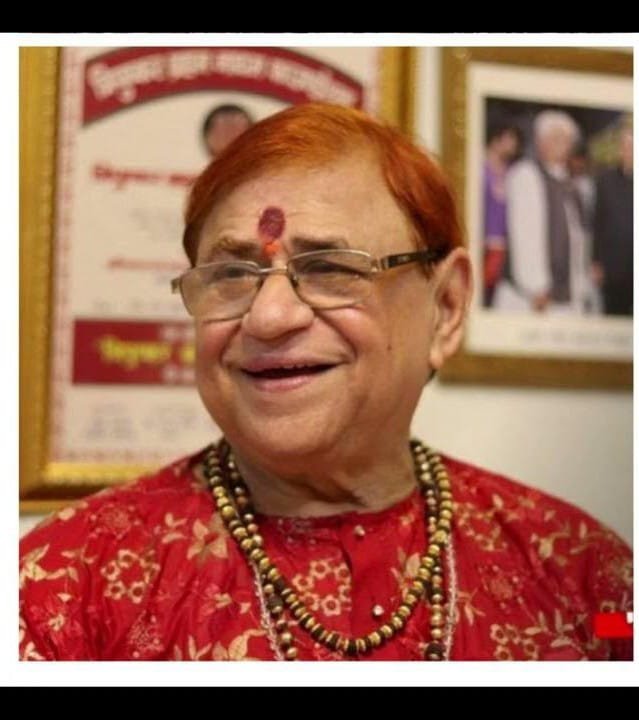
Dr. Ankit
Parikh

An Exponent of "PAKHAWAJ"

A distinguished custodian of ancient Pakhawaj tradition — blending scholarly depth with soulful artistry across India's most revered stages.

Dr. Ankit Parikh

Sacred Instrument of
The God

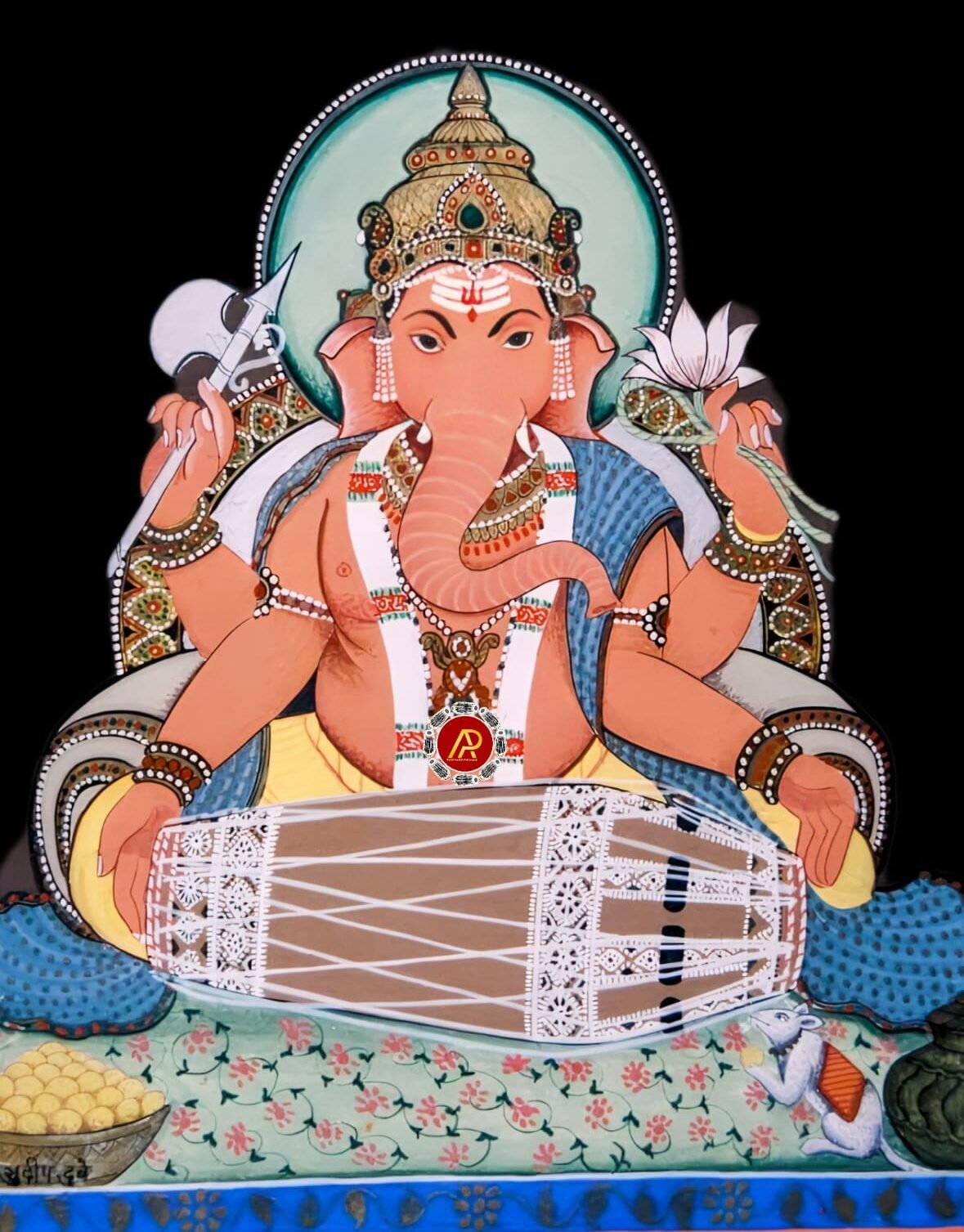
The Pakhawaj is India’s venerable barrel-shaped wooden drum, an ancient percussion instrument often hailed as the "ancestor of the Tabla". Known historically as the Mridanga, Mardala, or Muraj, it holds a sacred place in Indian mythology—believed to have been created by LORD BRAMHA and first played by LORD GANESH.

A master of contrast, the Pakhawaj is played with both hands: the right side produces sharp, resonating treble tones, while the left creates a deep, soulful bass after the traditional application of fresh wheat dough.

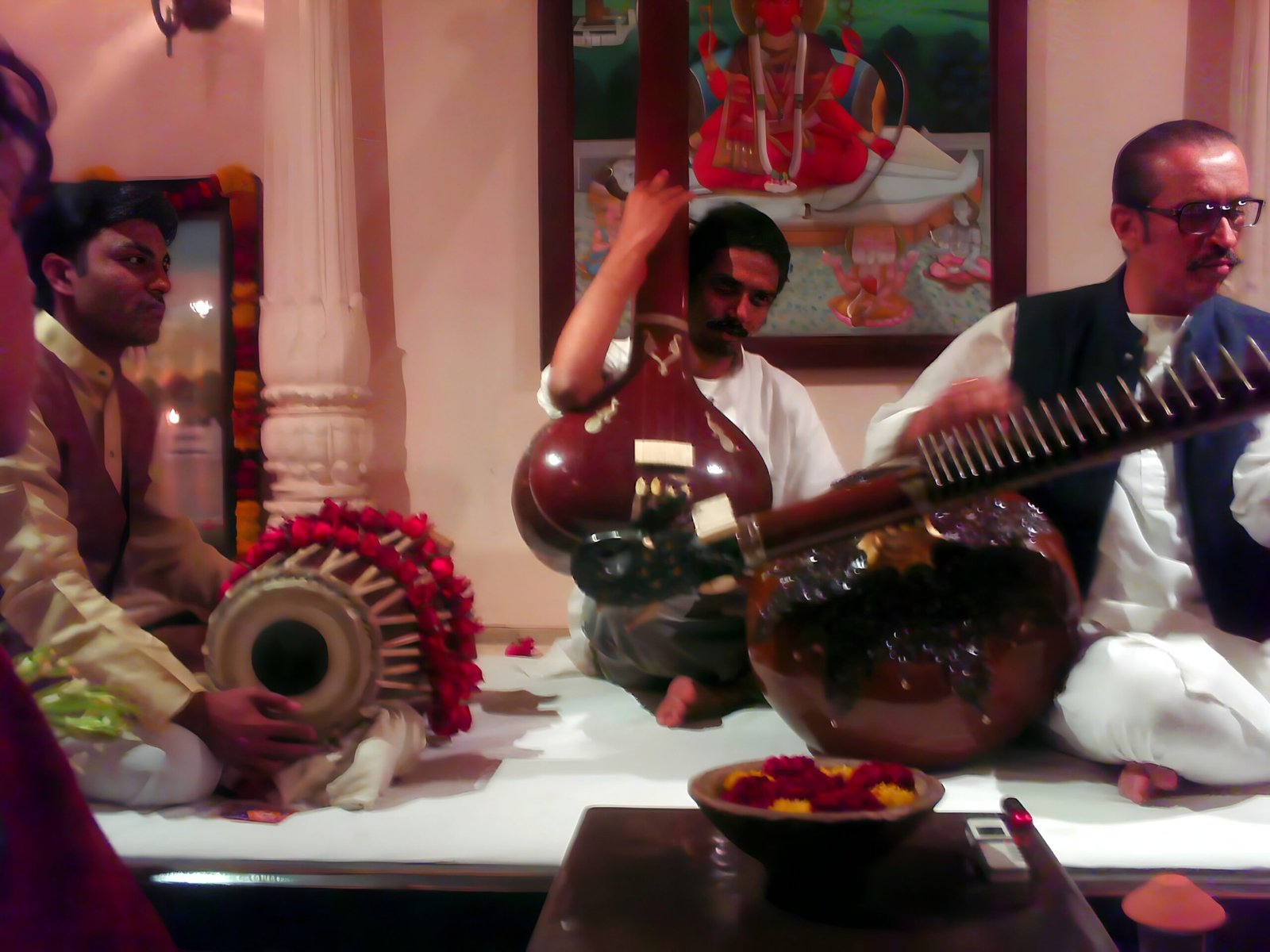
For centuries, it has served as the heartbeat of India’s oldest musical traditions, from the meditative depths of Dhrupad to the devotional echoes of Haveli Sangeet (Pushtimargiya Kirtan). Whether providing a rhythmic foundation for the Veena, Surbahar, and Santoor, or driving the intricate footwork of Kathak dance, the Pakhawaj remains a living bridge to India's spiritual and classical past.

The Pakhawaj

A Life Devoted to
Ancient Rhythm

Dr. Ankit Parikh
39Age
30+Festivals
4Awards
20+Maestros

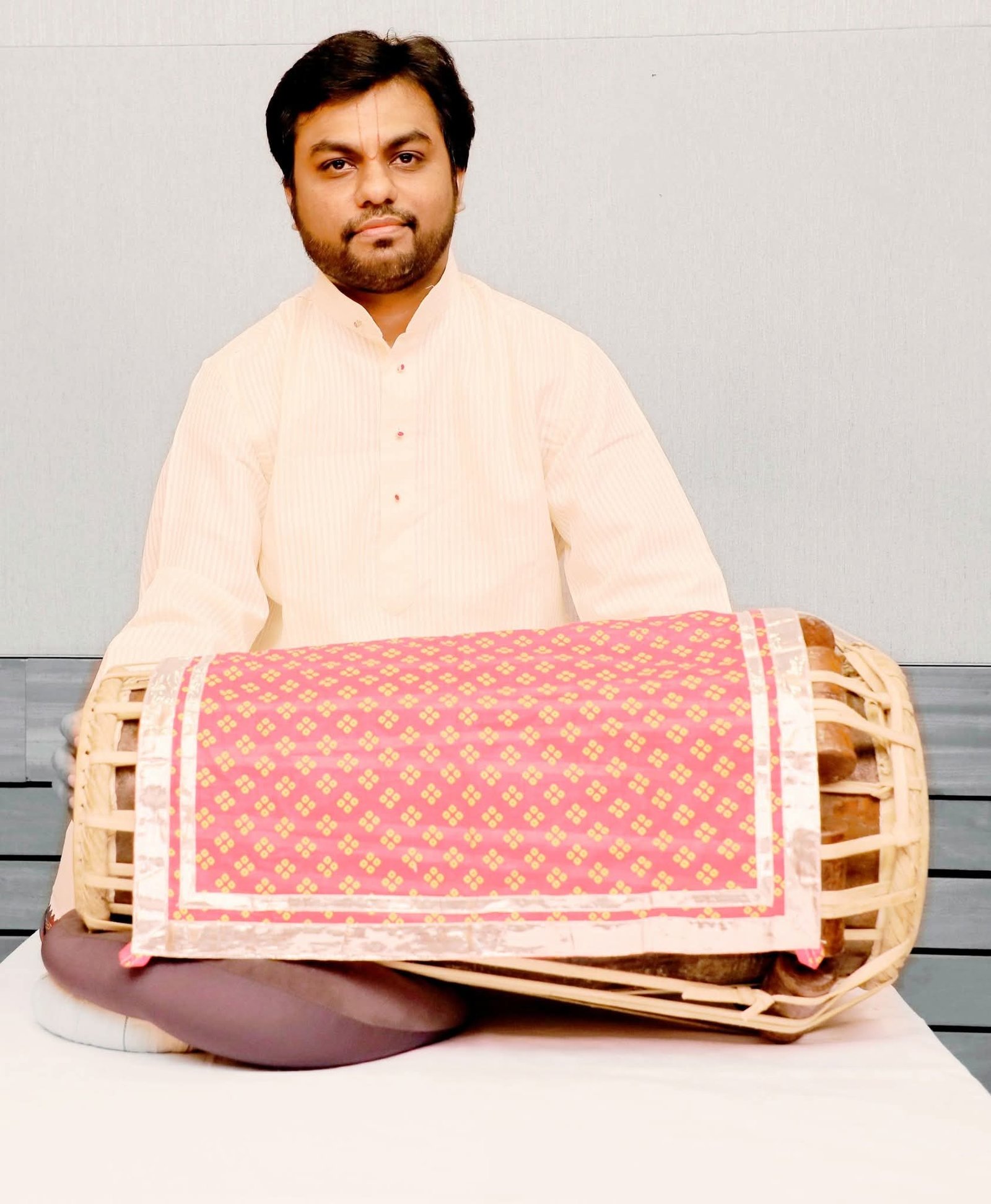
Dr. Ankit Parikh is one of India's most distinguished Pakhawaj artists — a percussionist of rare depth, rooted in the ancient Nana Panse Gharana. Born in Varanasi and currently based in Mathura, he carries forward a tradition that stretches back centuries.

Ankit embodies a generation that carries scholarly rigor with living artistic practice. His Ph.D. from Banaras Hindu University and his empanelment with ICCR speak to an intellectual commitment that enriches every performance.

Ankit is celebrated for meditative solo recitals and sensitive accompaniment with Vocal and instrumental. He is rooted with PUSHTIMARG and has deep experience of accompaniment in Haveli sangeet. He is also very much influenced with the musical thought process of Music Maestros like SNA awardee Pt. Dal Chand Sharma, Padmashri Talyogi Pt. Suresh Talwalkar and Banaras Baaj of TABLA.

At present numbers of students around the world are learning Pakhawaj in virtual and physical mode under GURU SHISHYA PARAMPARA.

Recognition & Credentials

✦2020
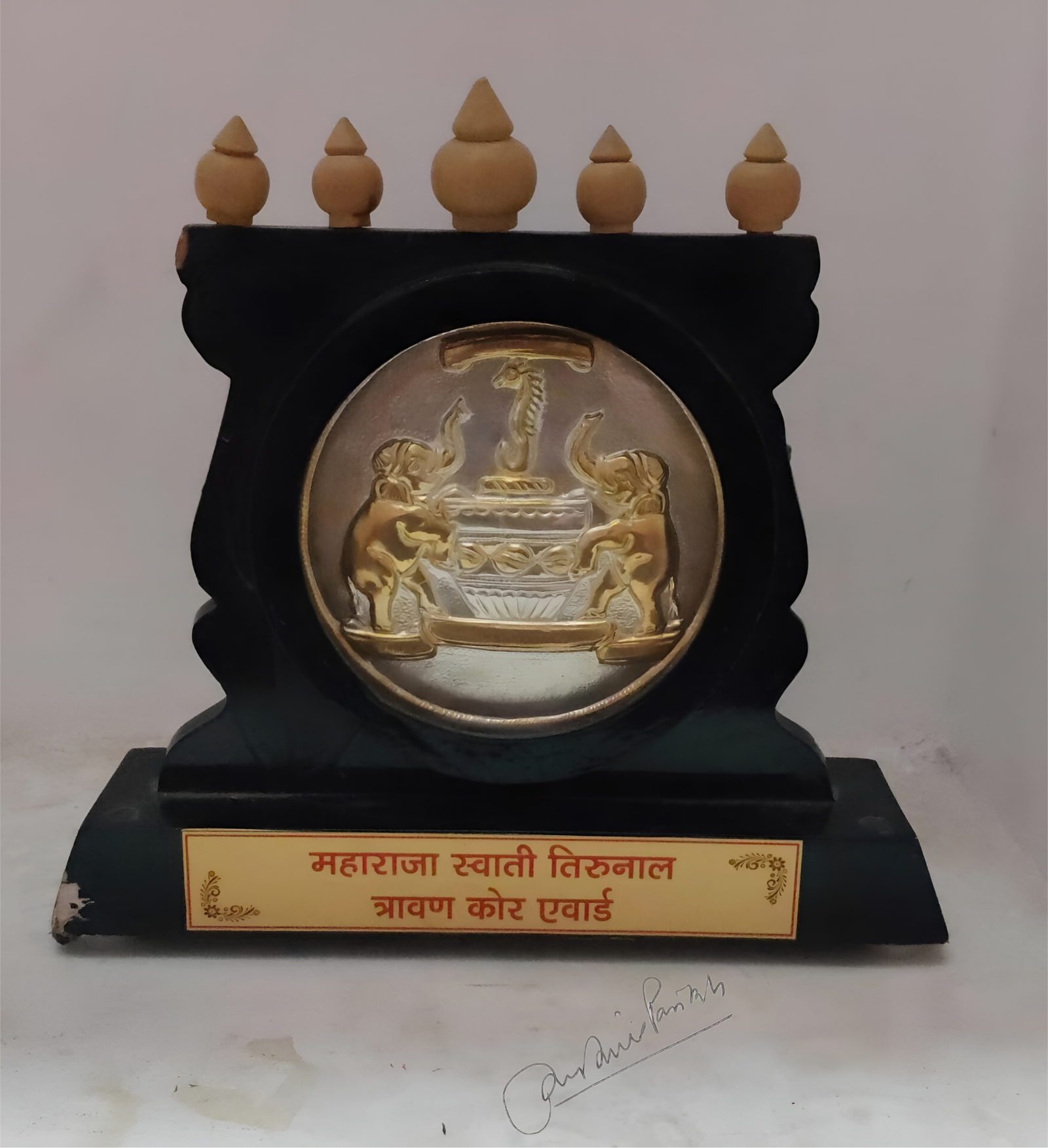
Swati Tirunal Award
✦2019
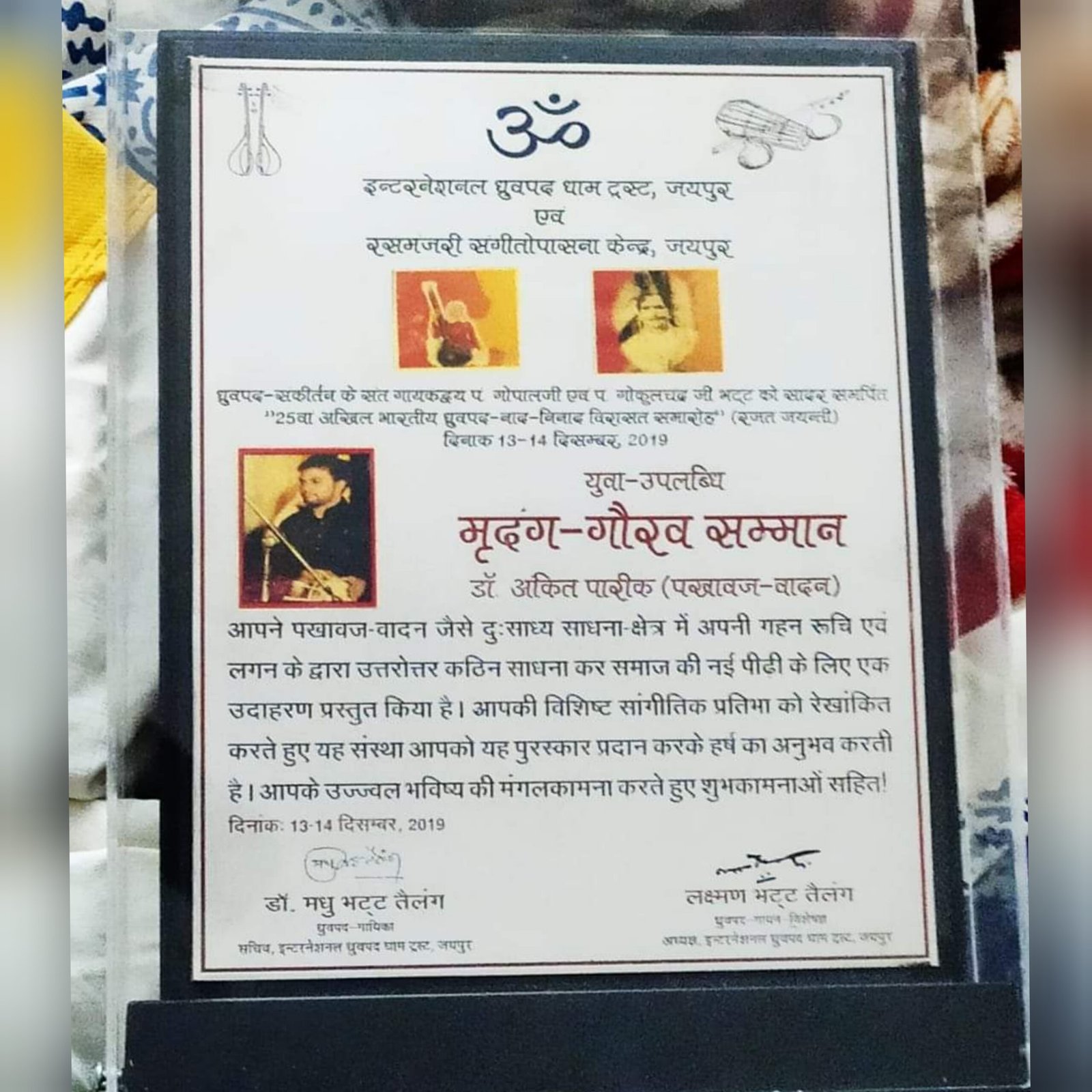
Mridang Gaurav Puraskar
✦2017
Girnar Ratna
✦2010
Talmani Award
Ph.D
Ph.D. in Music(Pakhawaj)
Banaras Hindu University, 2017
AIR
Graded Artist
All India Radio (AIR) · Doordarshan
ICCR
ICCR Empanelled Artist
Indian Council for Cultural Relations
UGC
NET JRF
University Grants Commission, 2012
JRF
Junior Research Fellowship
Nana Panse Gharana Research, 2019
MOC
National Scholarship
Ministry of Culture, HRD, 2008

The Pakhawaj Legacy:
Three Pillars of Tradition

In the world of Indian Classical Music, a Gharana is far more than a school; it is a sacred lineage (Parampara). It represents a distinct musical household where specific techniques, aesthetic philosophies, and rhythmic grammars are preserved and passed from Guru to Shishya across centuries.

Nathdwara Gharana: The Devotional Baaj

Born within the sanctum of the Shrinathji Temple in Rajasthan, the Nathdwara Gharana is the rhythmic heartbeat of Haveli Sangeet.

Founding Masters

Founded by Pt. Roopram ji and Pt. Ghanshyam ji, who dedicated their art as Seva (service) to the deity.

Aesthetic

Known for its "Komal Bol" (soft syllables), this style is characterized by its deep spiritual resonance. It is perfectly designed to accompany the meditative Dhrupad and Dhamar of the Pushtimargiya Kirtan.

Technical Excellence

Renowned for complex Layakaris, beautiful Stuti Parans (devotional compositions), and the intricate Prastar of Ghid-nak, Dhin-nak.

Legends

Padmashri Pt. Purshottam Das (Chief Khalifa), Pt. Totaram ji, Pt. Dal Chand Sharma, and Pt. Mohan Shyam Sharma.

Kudau Singh Gharana: The Majestic Power

The Kudau Singh Gharana is a testament to grandeur and heroic resonance. Named after the legendary "Mridang Kesari," this style reflects the majesty of the royal courts.

Founding Master

Pt. Kudau Singh ji Maharaj, a titan of the Datia Darbar and a disciple of Bhawani Din ji.

Aesthetic

Often called a "Lion-like" style, it utilizes powerful, open-handed sounds (Taddan, Dhaddan, Thunga) that demand immense physical and mental precision.

Technical Excellence

Famous for descriptive "Chamatkari" Parans, including the Gaj Paran (Elephant), Top Paran (Cannon), and Bijali Paran (Lightning). It also features a unique method of improvisation in Vilambit Laya (slow tempo).

Legends

Pt. Ayodhya Prasad, Pt. Madan Mohan Upadhyay, Pt. Mannu ji Mridangacharya, Pt. Ramakant Pathak, and Pt. Ramashish Pathak.

Nana Panse Gharana: The Technical Virtuoso

The Nana Panse Gharana is a sophisticated blend of Maharashtrian rhythmic roots and the scholarly depth of Varanasi.

Founding Master

Nana Panse ji initially learned Pakhawaj from Chaunde Bua and Martand Bua of Maharashtra. He refined his art through 12 years of rigorous sadhana in Kashi (Varanasi) under Babu Jodh Singh, later serving in the Indore Darbar. He also received profound musical wisdom from a Saint in Prayagraj.

Aesthetic

Defined by incredible speed (Drut), clarity, and a crisp, "dry" sound that highlights intricate fingerwork.

Technical Excellence

Mastery over complex Chakradhars starting from unexpected matras and lightning-fast phrases like Dhir-Dihr Kit-Tak Gadi-gan Nage-Tete, Tirkit Takta Tete-Kata Gadi-Gana.

Legends

Pt. Amba Das, Pt. Govind Rao Burhanpurkar, Pt. Arjun Sejwal, Pt. Krishna Das Bannatwale and Pt. Devkinandan ji Maharaj.

My Lineage & Connection

As a practitioner deeply rooted in the Nana Panse and Nathdwara traditions, my presentation is a synthesis of these great schools. Under the guidance of my Guru, Goswami Shri Kalyan Rai ji Maharaj, I strive to preserve the technical brilliance of the Panse style while maintaining the devotional soul of the Nathdwara parampara.

Learning at the
Feet of Masters

01
H.H.Goswami Shri Kalyan Rai ji Maharaj
Nana Panse & Nathdwara Gharana
Goswami Shri Kalyan Rai ji Maharaj

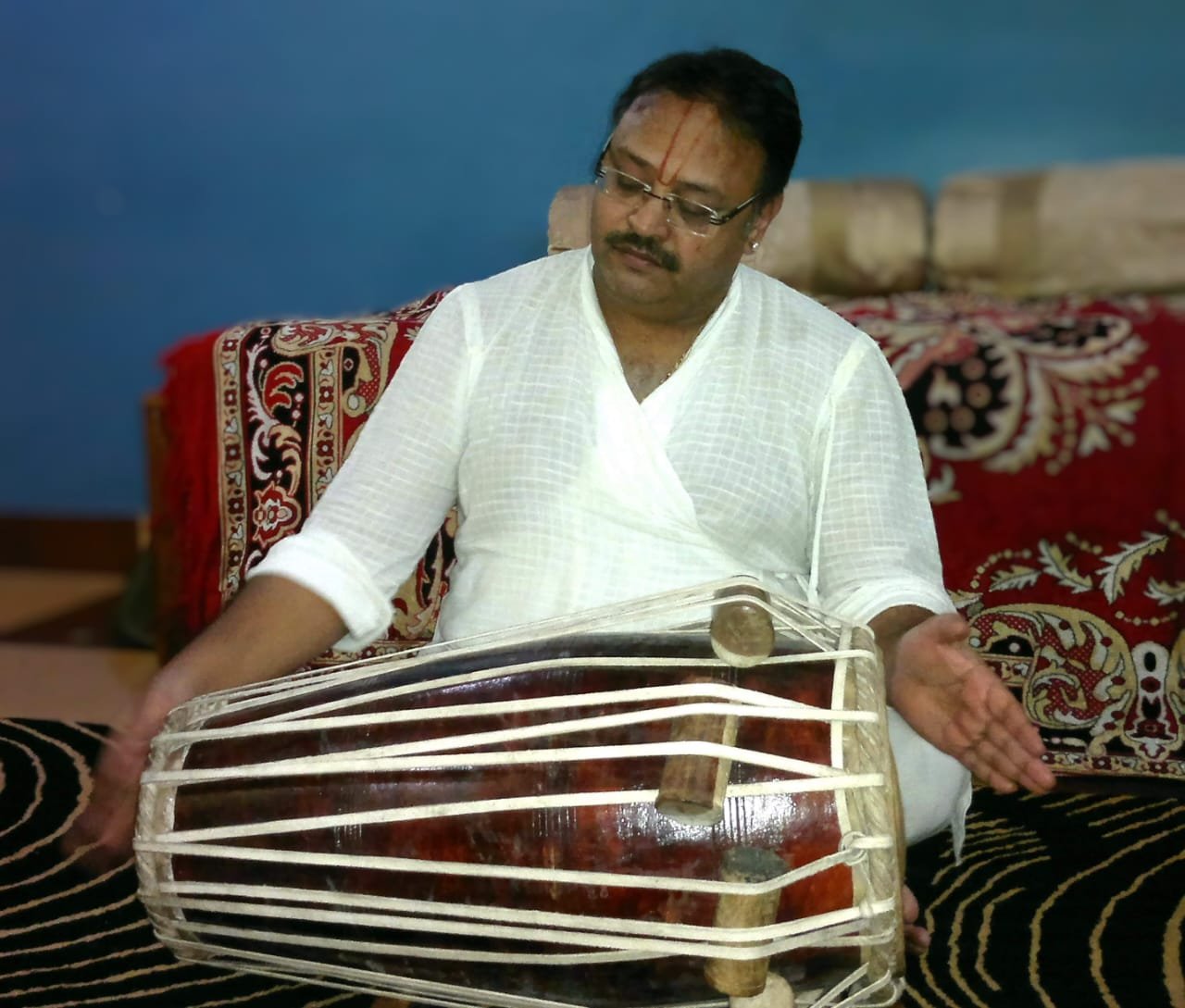
H.H.Goswami Shri Kalyan Rai ji Maharaj is the direct descendant of SRI VALLABHACHARYA (founder of PUSHTI BHAKTI MARG). He is an Acharya of Vallabh Sampradaya and youngest son of Saptam Pithadhish H.H. Goswami Shri Ghanshyam lalji Maharaj (Kamvan). Maharajshri was very much attracted with sound of Pakhawaj since his childhood. He was so keen that he learned so many strokes of Pakhawaj alphabets by watching other Pakhawaji's playing in front of Thakurji(THE GOD). He gave his first public performance at the age of 11 and took guidance from his elders like Dwitiya Pithadhish H.H. Goswami shri Kalyanrai ji Maharaj ( Nathdwara), H.H. Goswami Shri Brijraman ji Maharaj (Mathura). He has deep knowledge of Kirtan, Pakhawaj in traditional approach with Nana Panse Gharana & Nathdwara Gharana. Although he always loves to play for the SUPREME DIVINE only, but he has also given his solo recital and accompaniment in Dhrupad mela. Haridas sangeet sammellan vrindavan etc. Later He moved permanently in Varanasi where he shared his knowledge of Pakhawaj with Pushtimargiya vaishnavas. He has trained number of students like H.H. Goswami Shri Aniruddha ji(son), H.H. Goswami Shri Upendra ji(son), Murli Gujrati, Dr.Ankit Parikh, Navneet Gujrati, Shubham Gujrati and many more.

02
Mridangacharya Dr. Raj Khushiram
Nana Panse & Avadhi Gharana
Dr. Raj Khushiram

Mridangacharya Dr. Raj Khushiram (1954 – 2025) Dr. Raj Khushiram was a legendary Pakhawaj maestro and a central figure in the Avadhi (Ayodhya) Gharana. A senior disciple of the iconic Pakhawaj wizard Swami Pagal Das ji, he was revered for his technical mastery and soulful preservation of ancient rhythmic traditions. He was famous for several Stuti Parans like Ganesh Paran, Bhadrakali Paran, Hanuman Paran etc. Training and Lineage: Born into a musical family in Lucknow, he received initial training from maestros of the Nana Panse Gharana, including Pt. Sakharam, Pt. Vinayak Rao, and Pt. Ramakant Pathak. He later achieved peak mastery under the mentorship of Swami Pagal Das, becoming a primary custodian of the Avadhi style. Academic & Professional Excellence: He was a Top Grade Artist for Prasar Bharati (All India Radio and Doordarshan) and served as a dedicated teacher at Bhatkhande Sanskriti Vishwavidyalaya. He was awarded a Doctorate (Ph.D.) for his research on the history and contributions of the Avadhi Gharana. Awards & Legacy: A recipient of the prestigious Uttar Pradesh Sangeet Natak Akademi Award, he was also honored with a Lifetime Achievement Award at the 50th Dhrupad Mela in Varanasi. Influence: Known as a bridge between the past and present, Dr. Raj Khushiram was a visionary who spent his life ensuring the magical grandeur of the Pakhawaj reached new heights, notably teaching and inspiring current maestros like Dr. Ankit Parikh.

India's Most
Prestigious Platforms

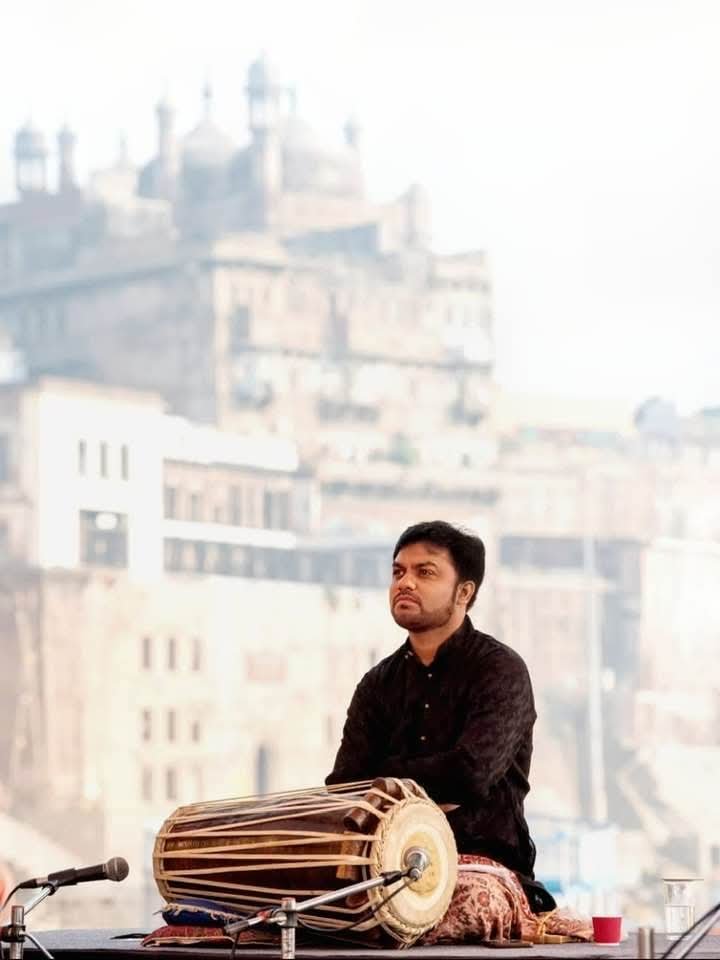
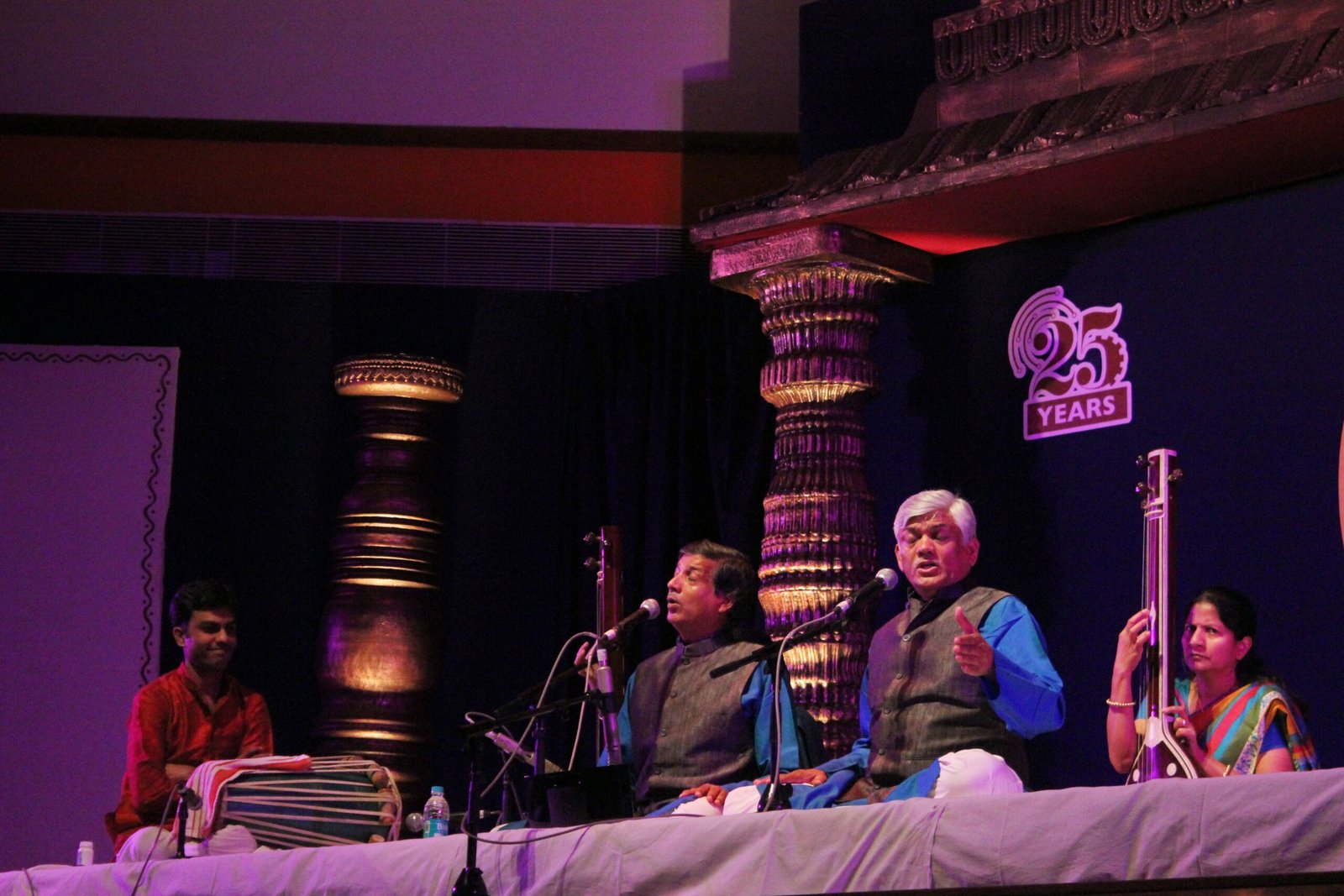
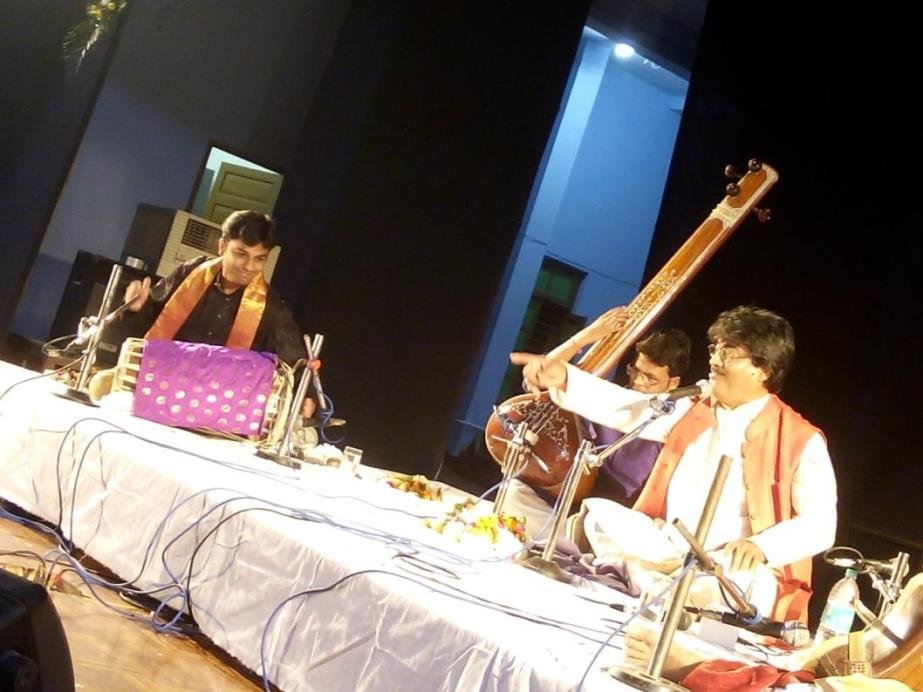
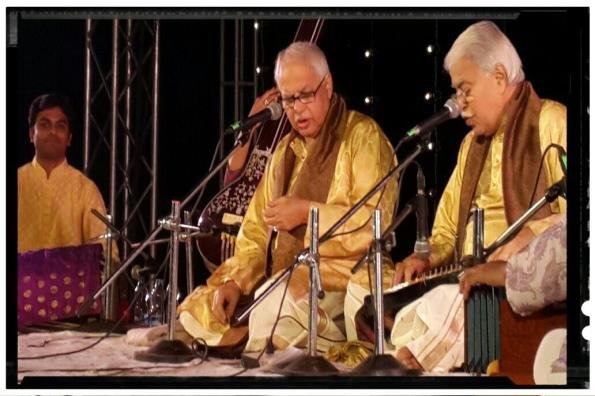
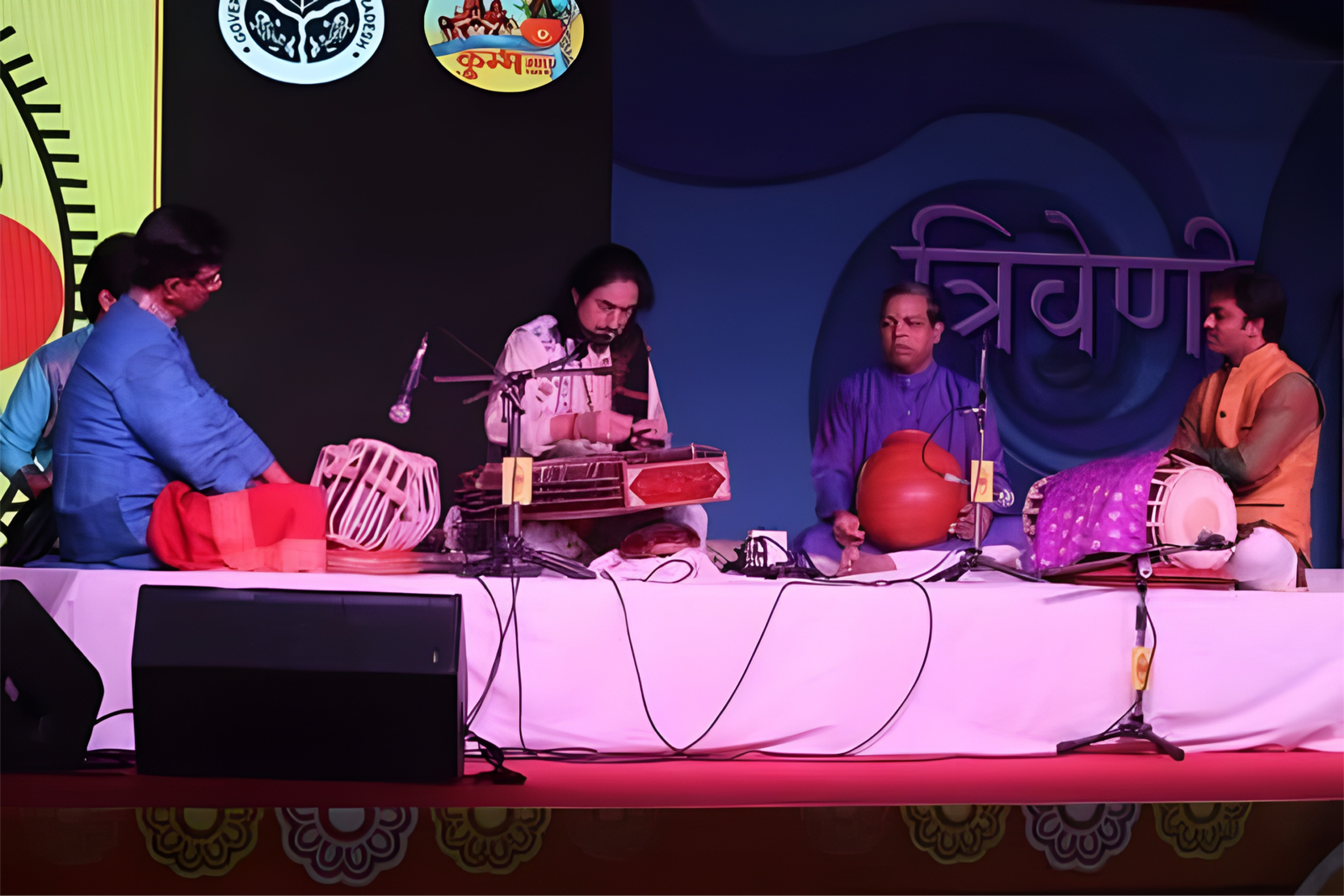
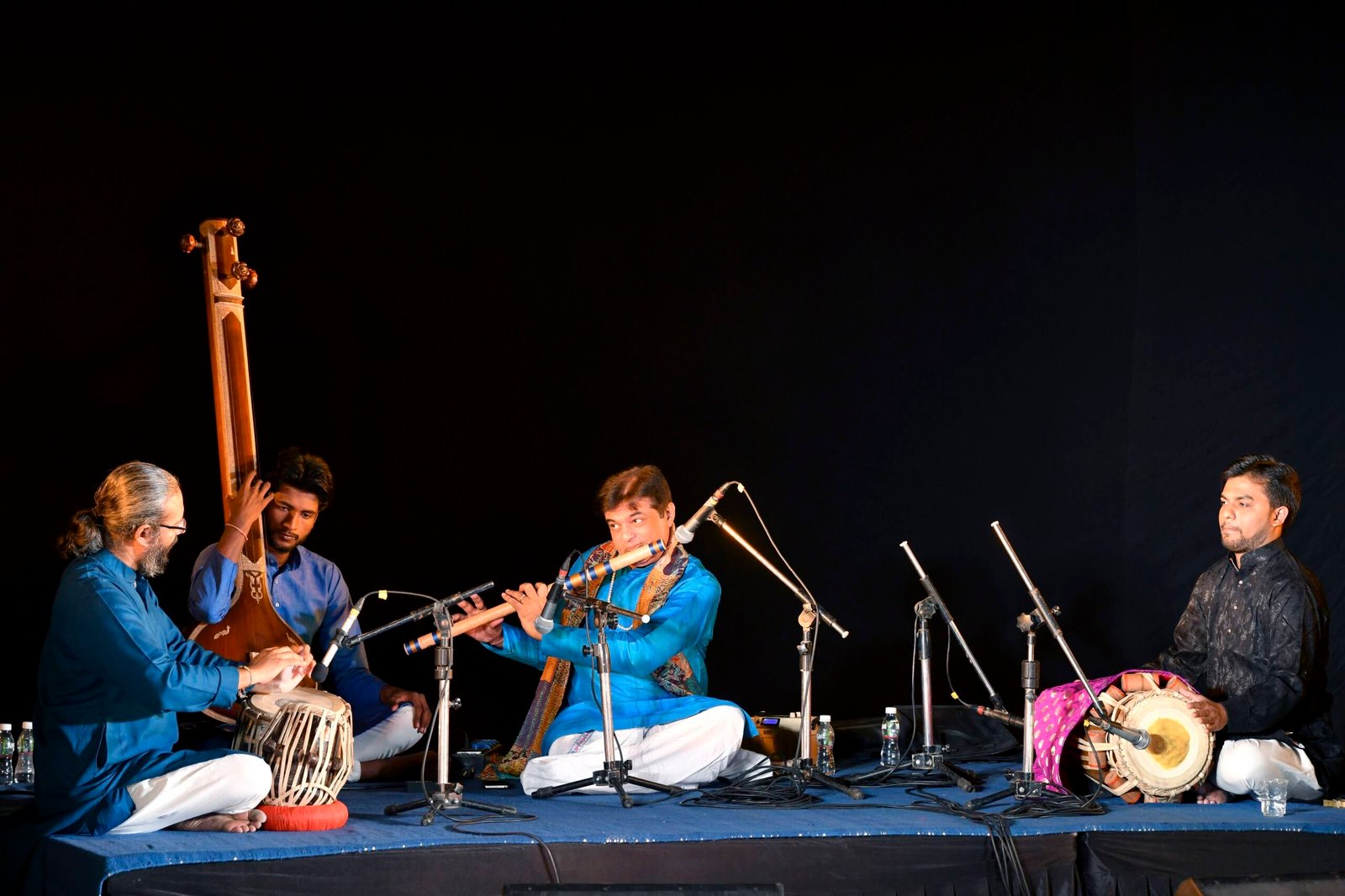
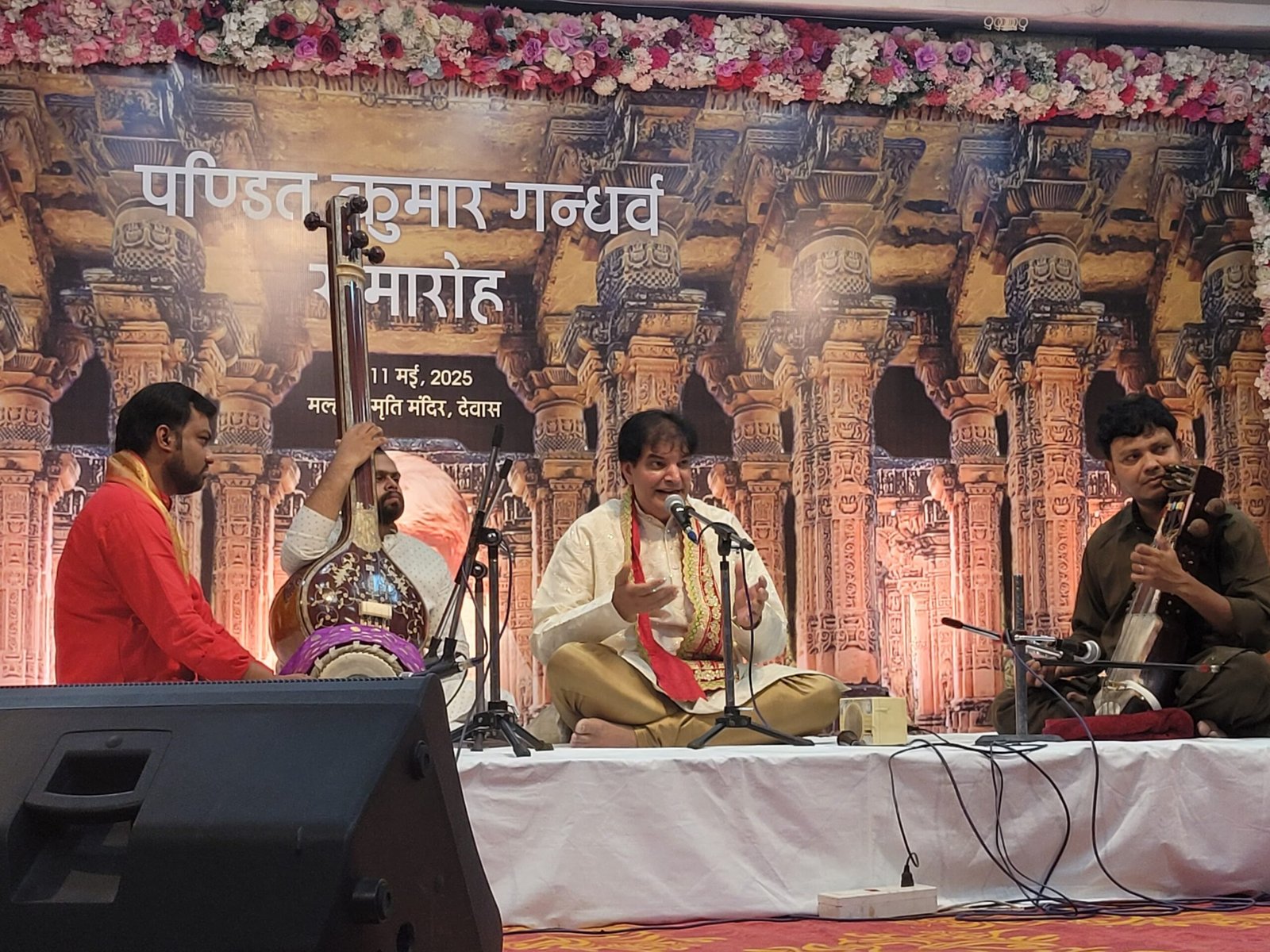
From the G20 Summit to temple courtyards, Dr. Ankit Parikh has carried the sound of the Pakhawaj to every corner of India's classical music landscape.

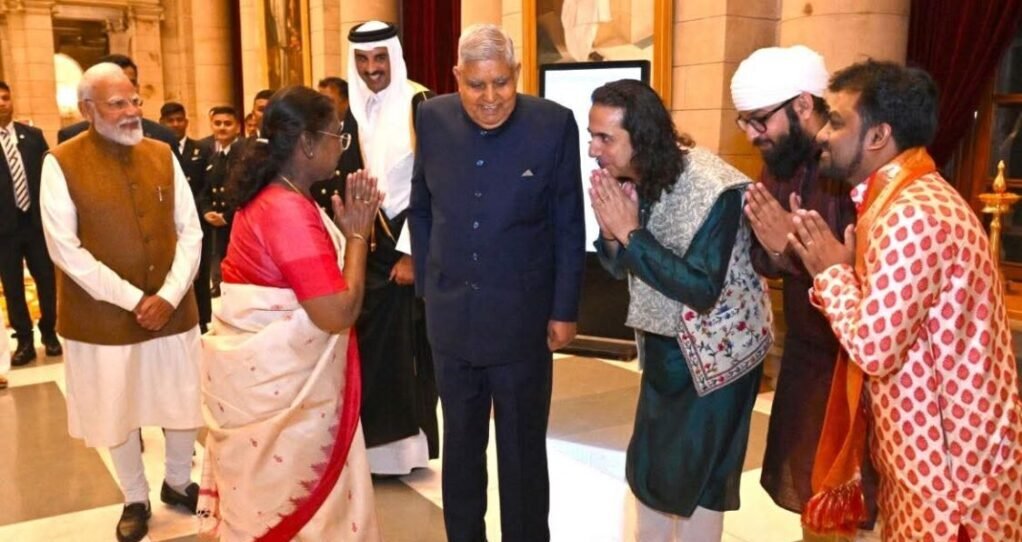
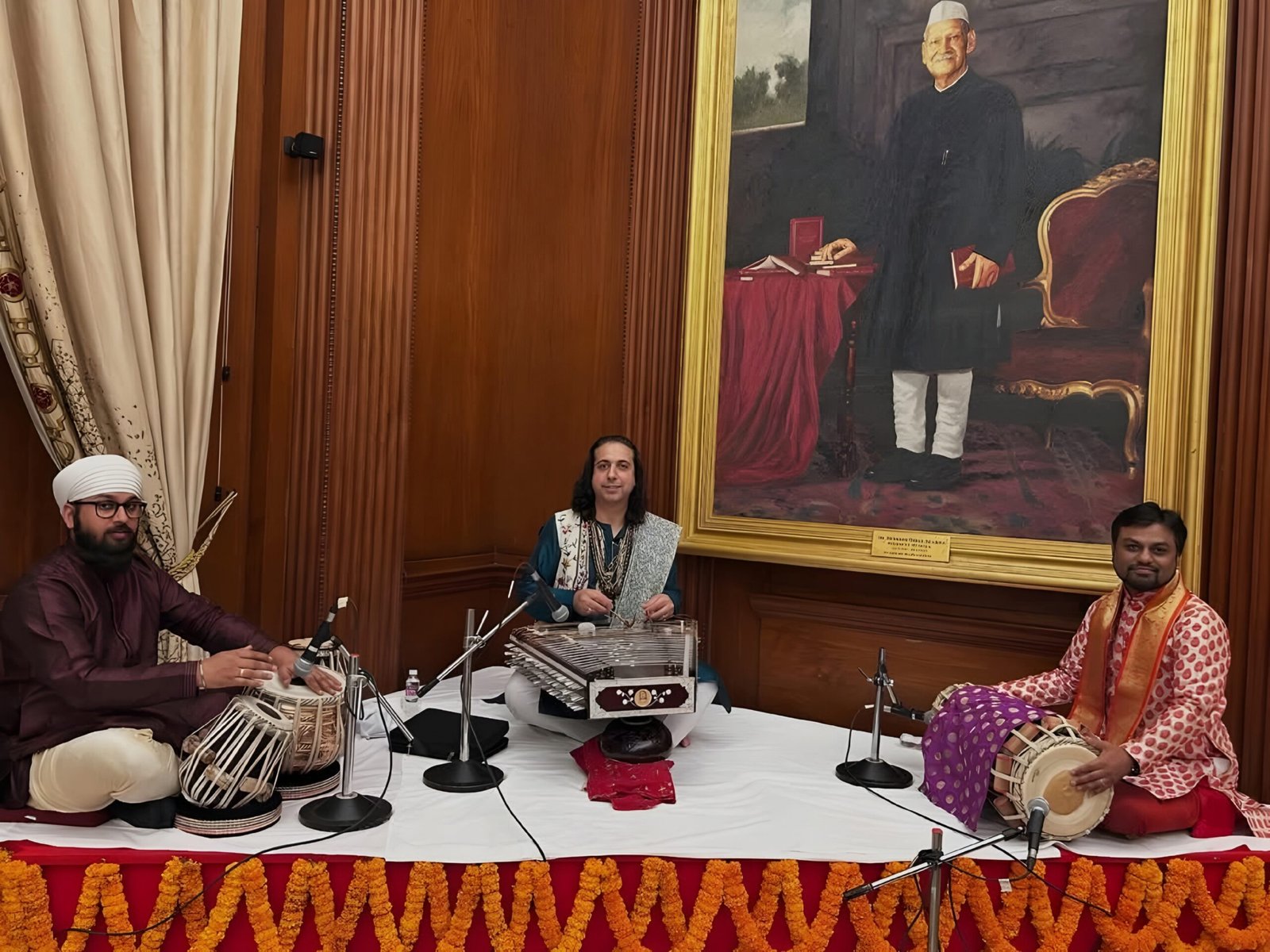
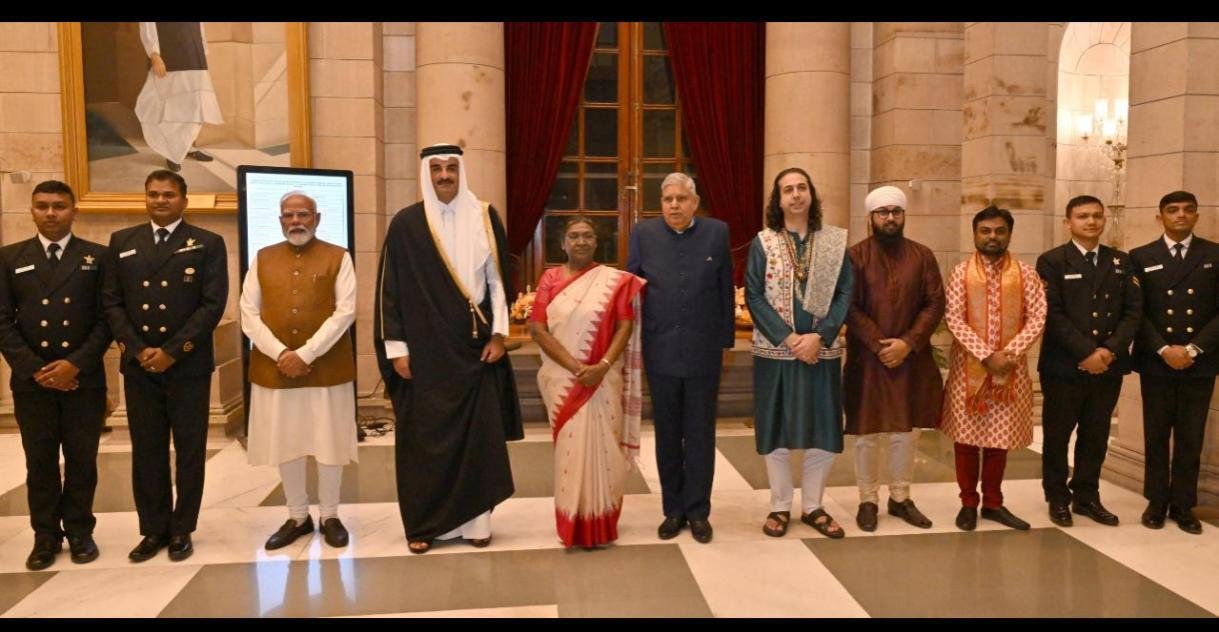
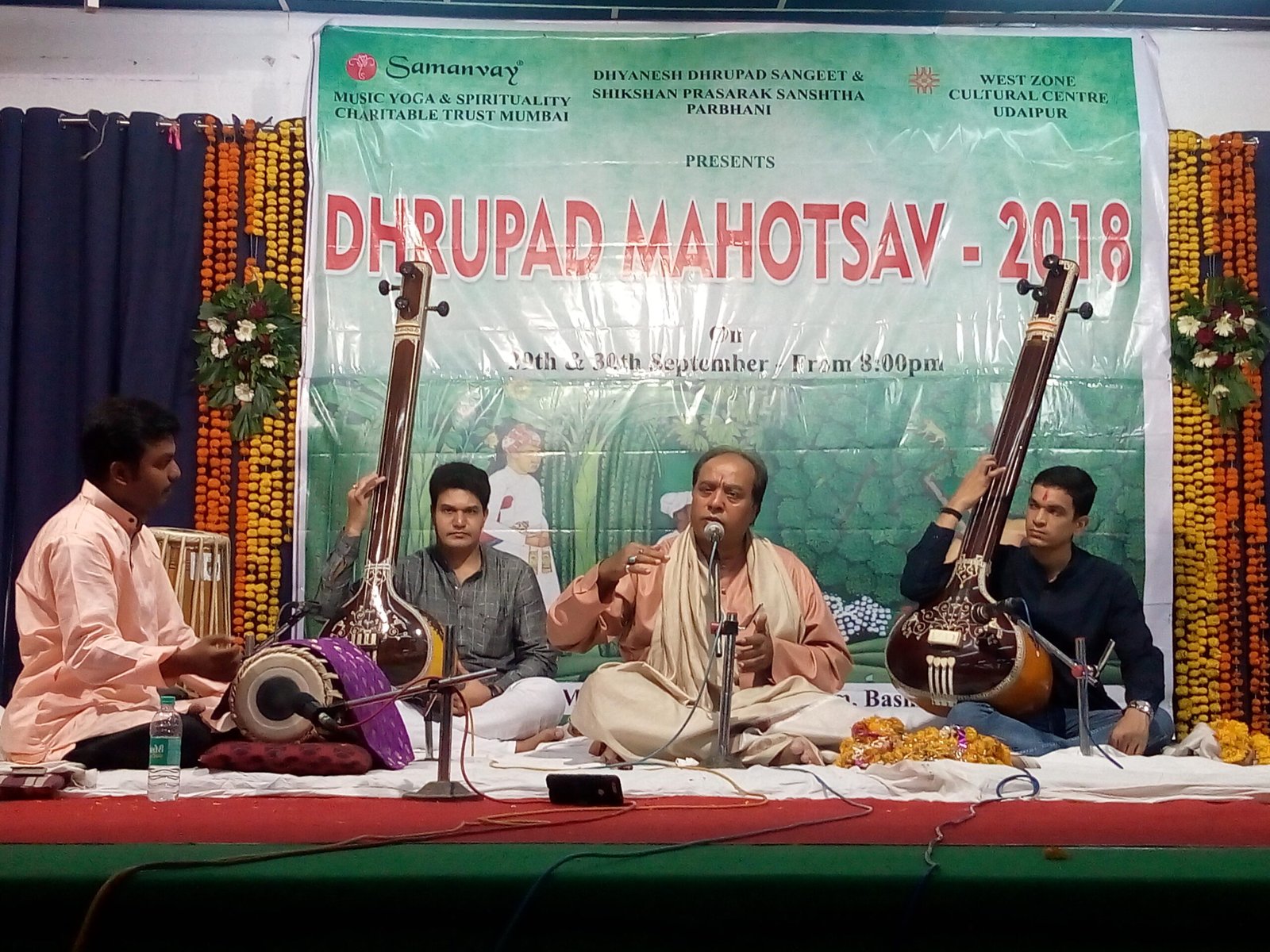
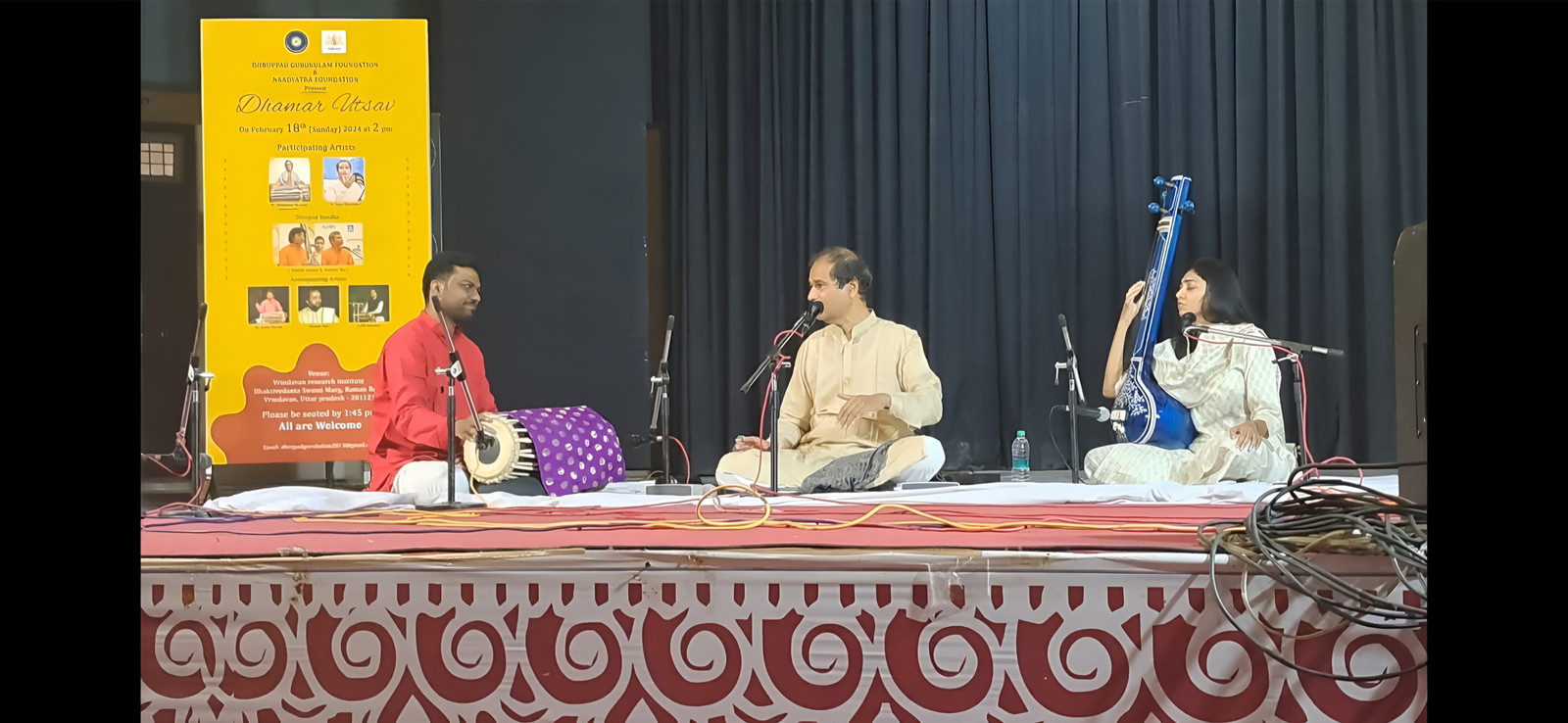
Rashtrapati Bhavan

Rashtrapati Bhawan · New Delhi

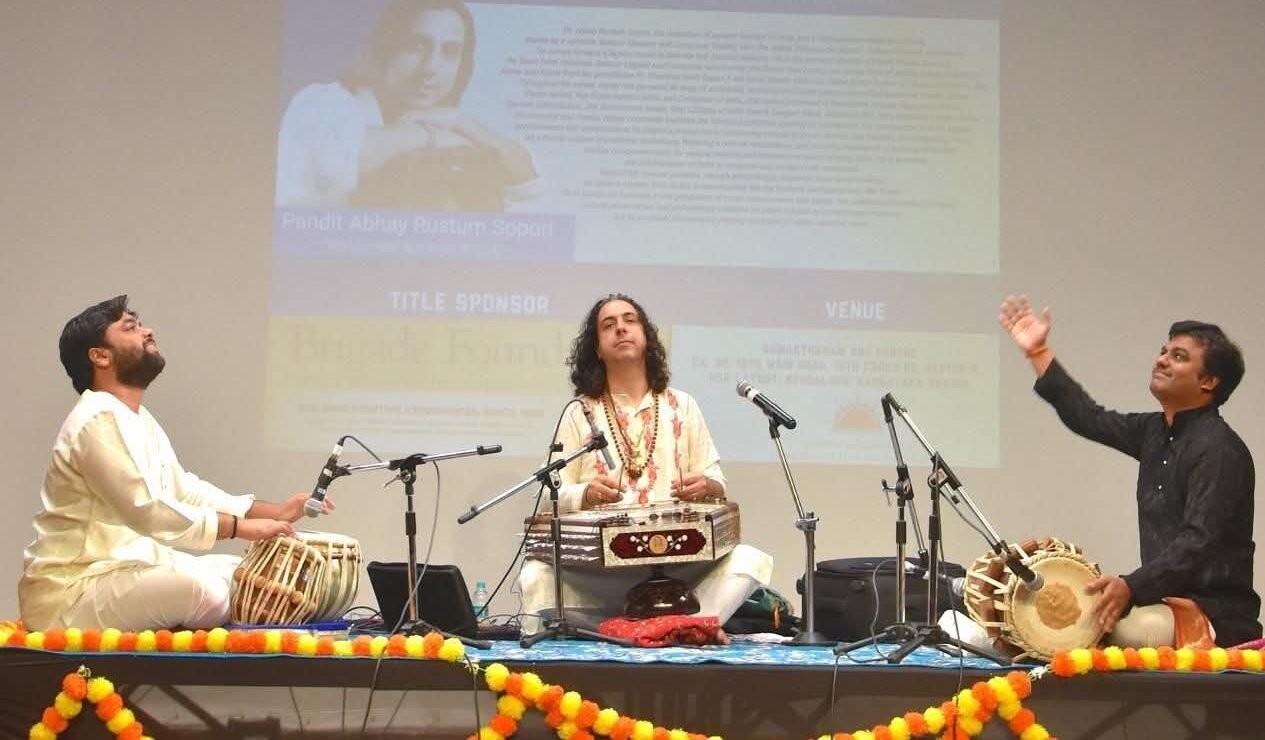
Performance alongside Pt. Abhay Rustom Sopori in the presence of India's highest dignitaries.

G20 Summit
Pravasi Bharatiya Diwas, Bhuvaneswar
Harivallabh Sangeet Samaroh, Jalandhar
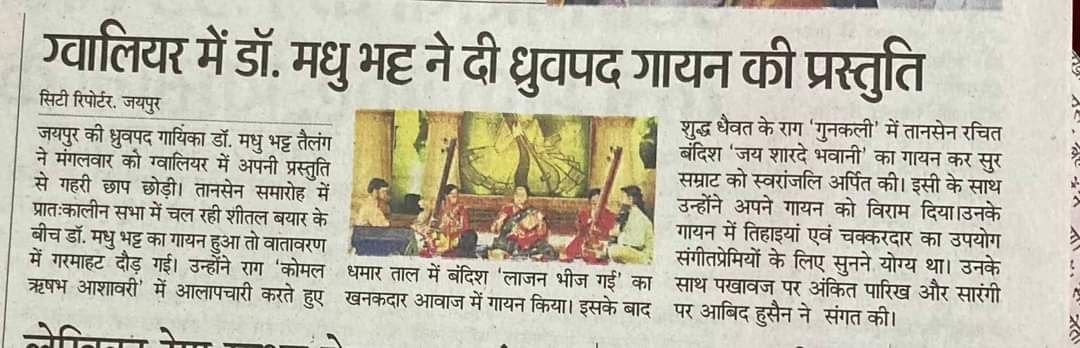
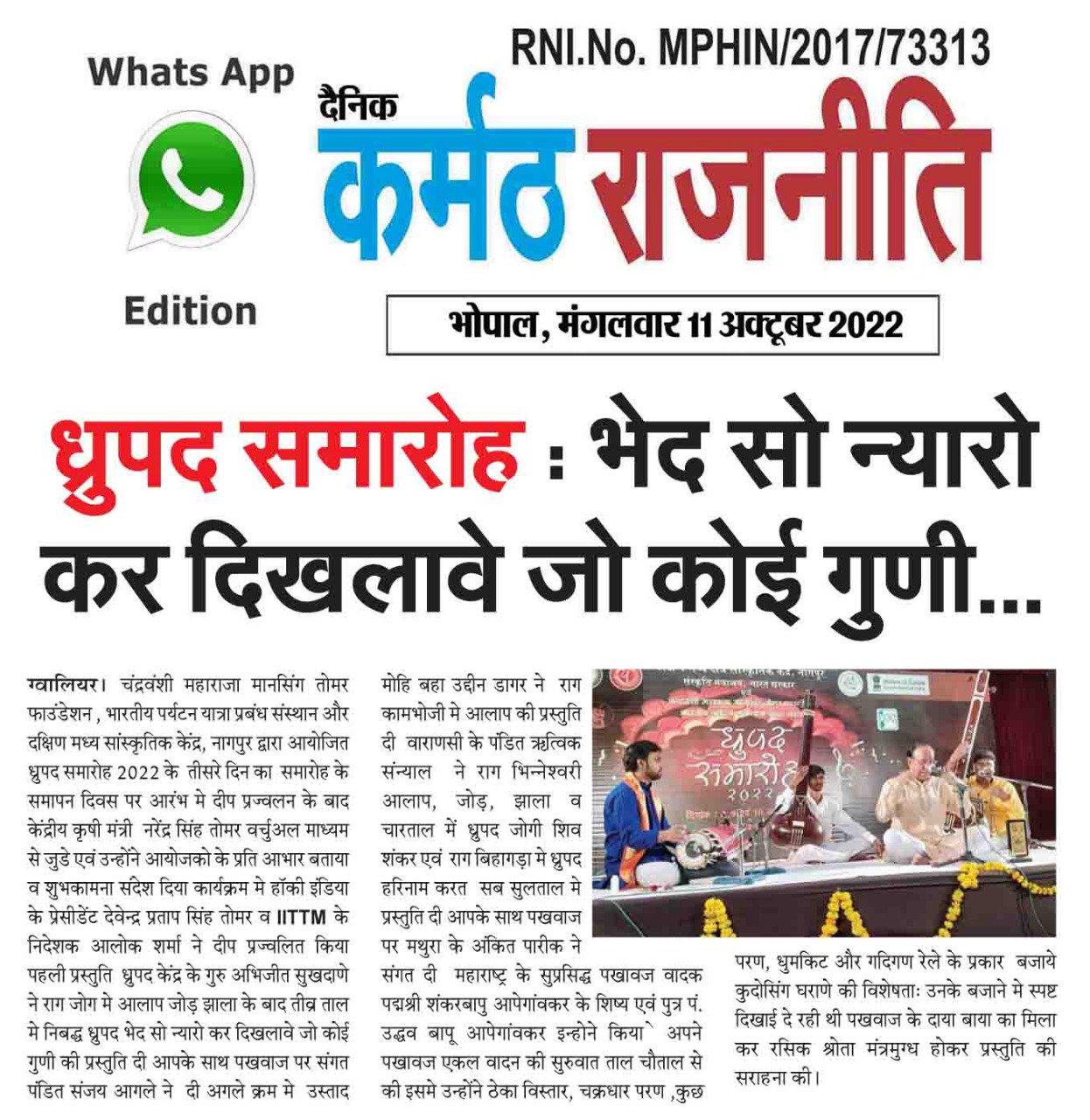
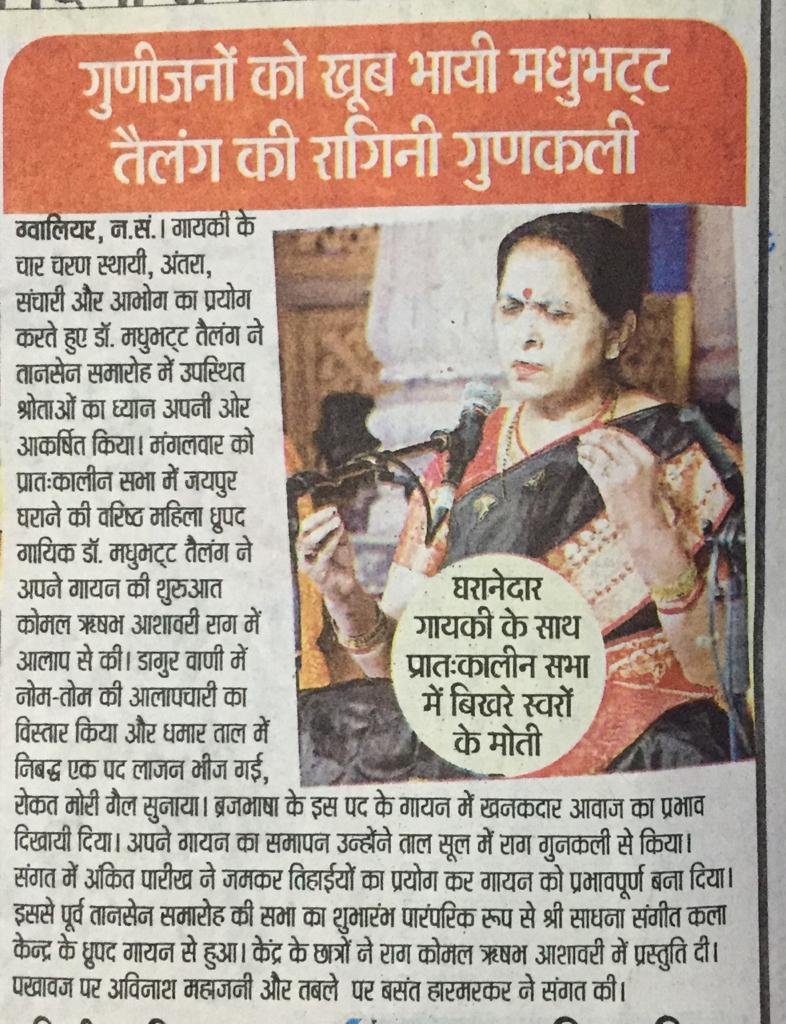
Tansen Samaroh, Gwalior
SAMAPA Sangeet Sammellan, New Delhi
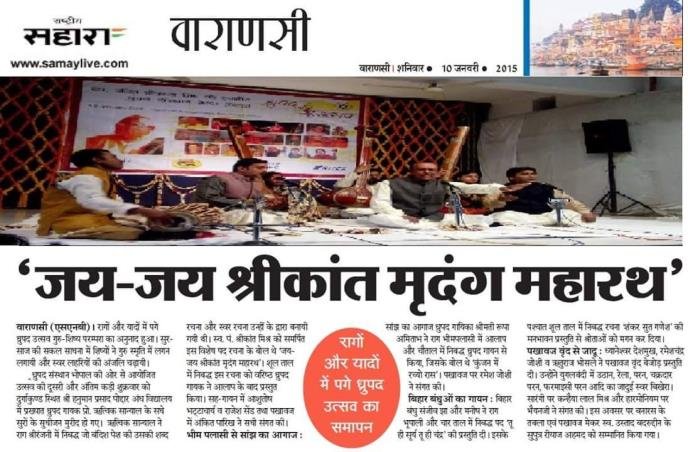
Sankat Mochan Sangeet Samaroh, Varanasi
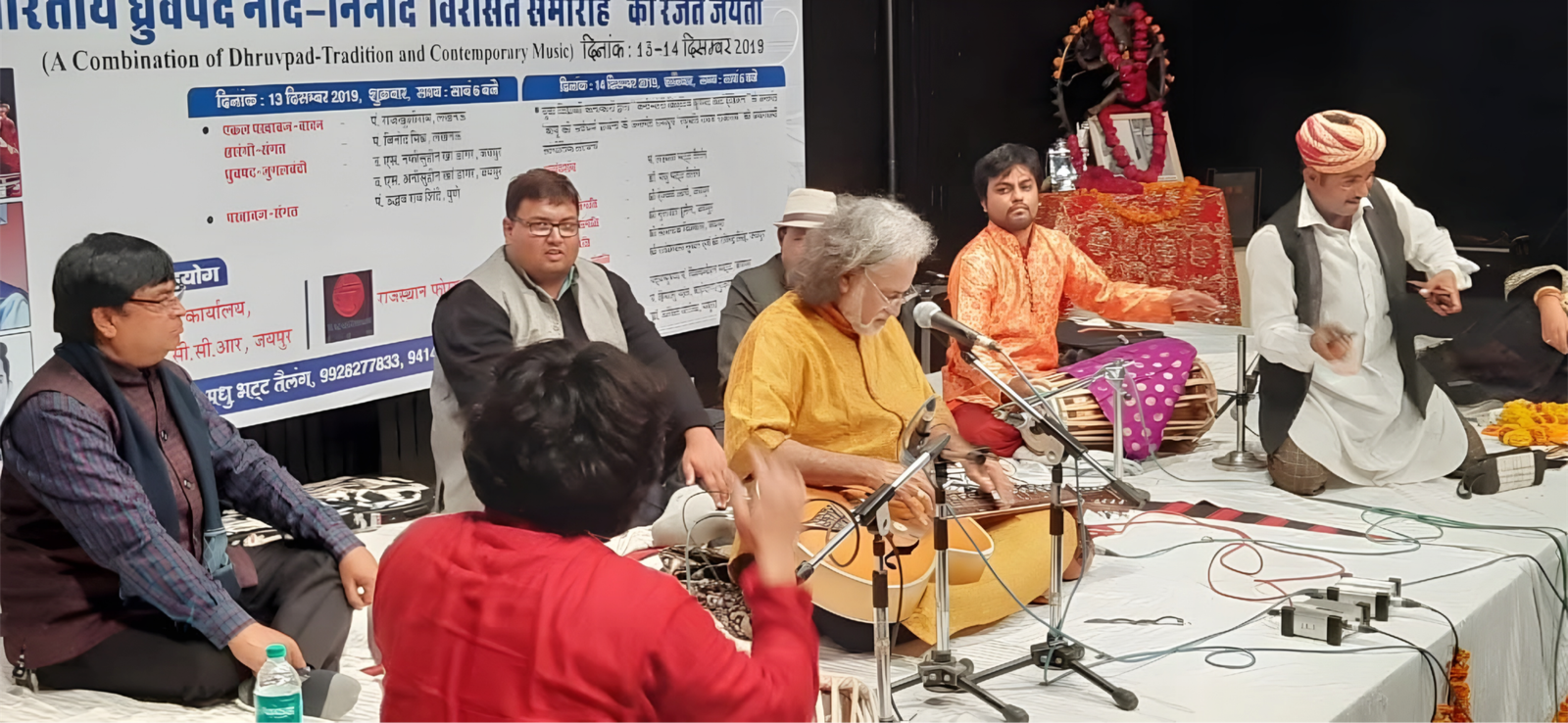
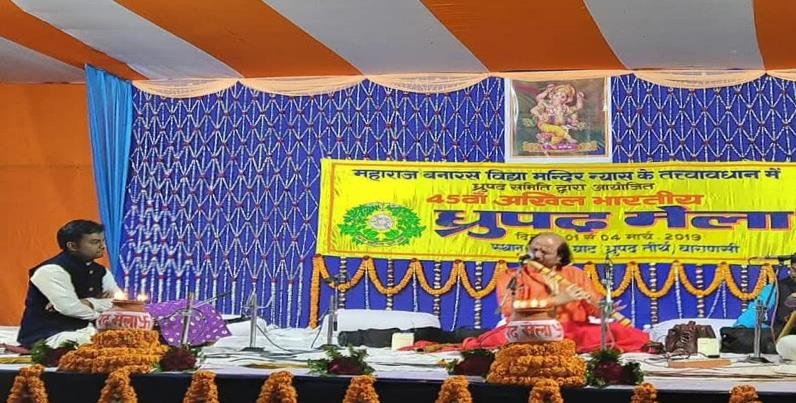
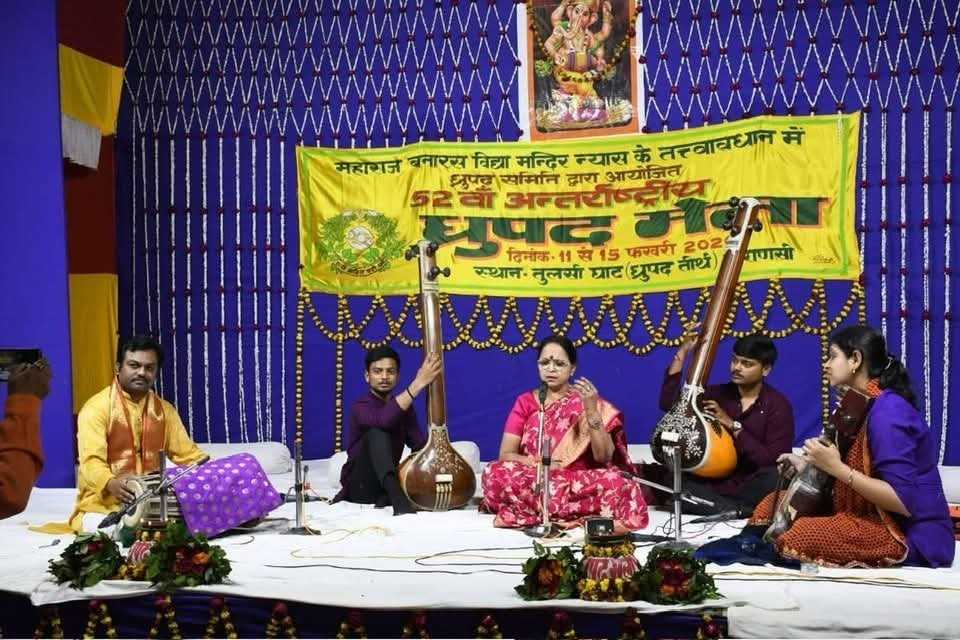
Dhrupad Mela, Varanasi
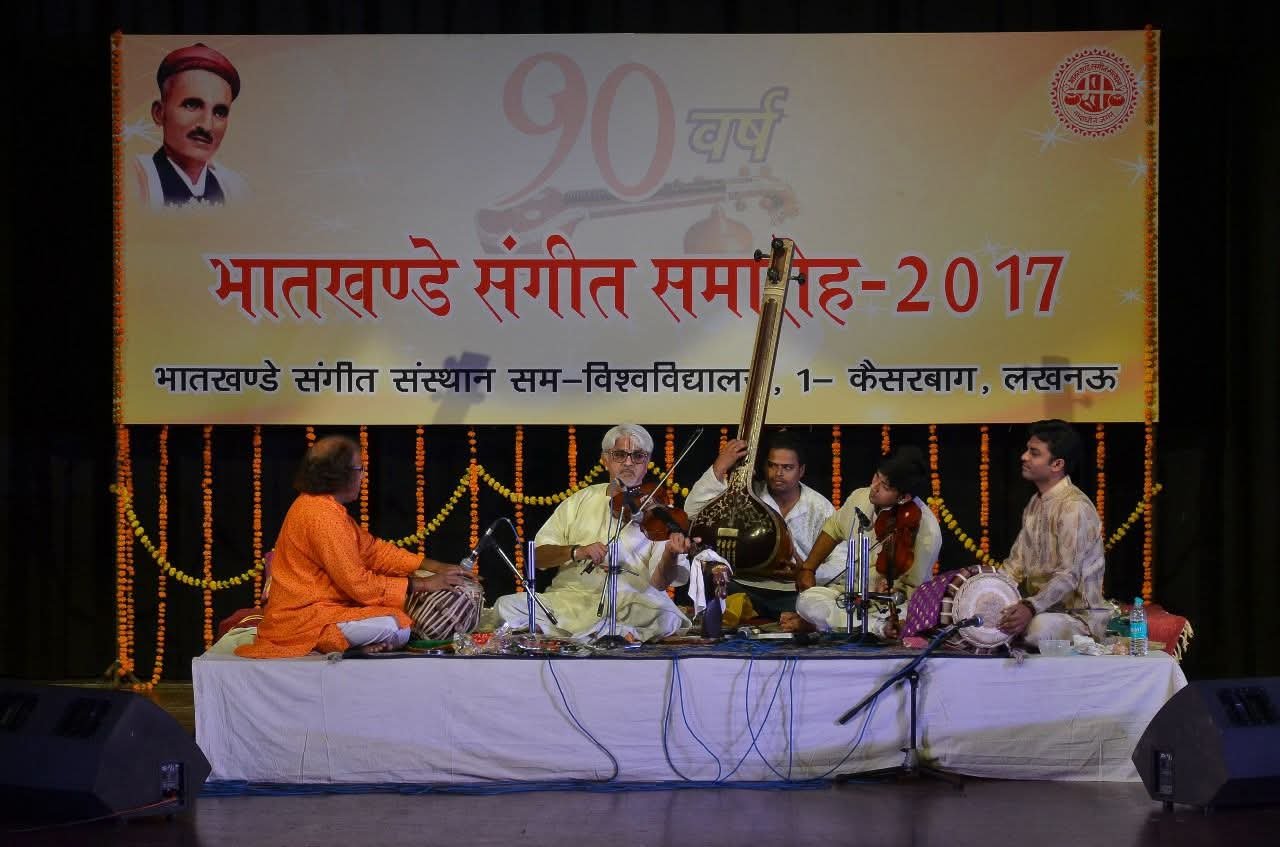
Ustad Allauddin Khan Sangeet Samaroh, Maihar
SPIC MACAY International Convention, IIT Chennai

Performing with
Living Legends

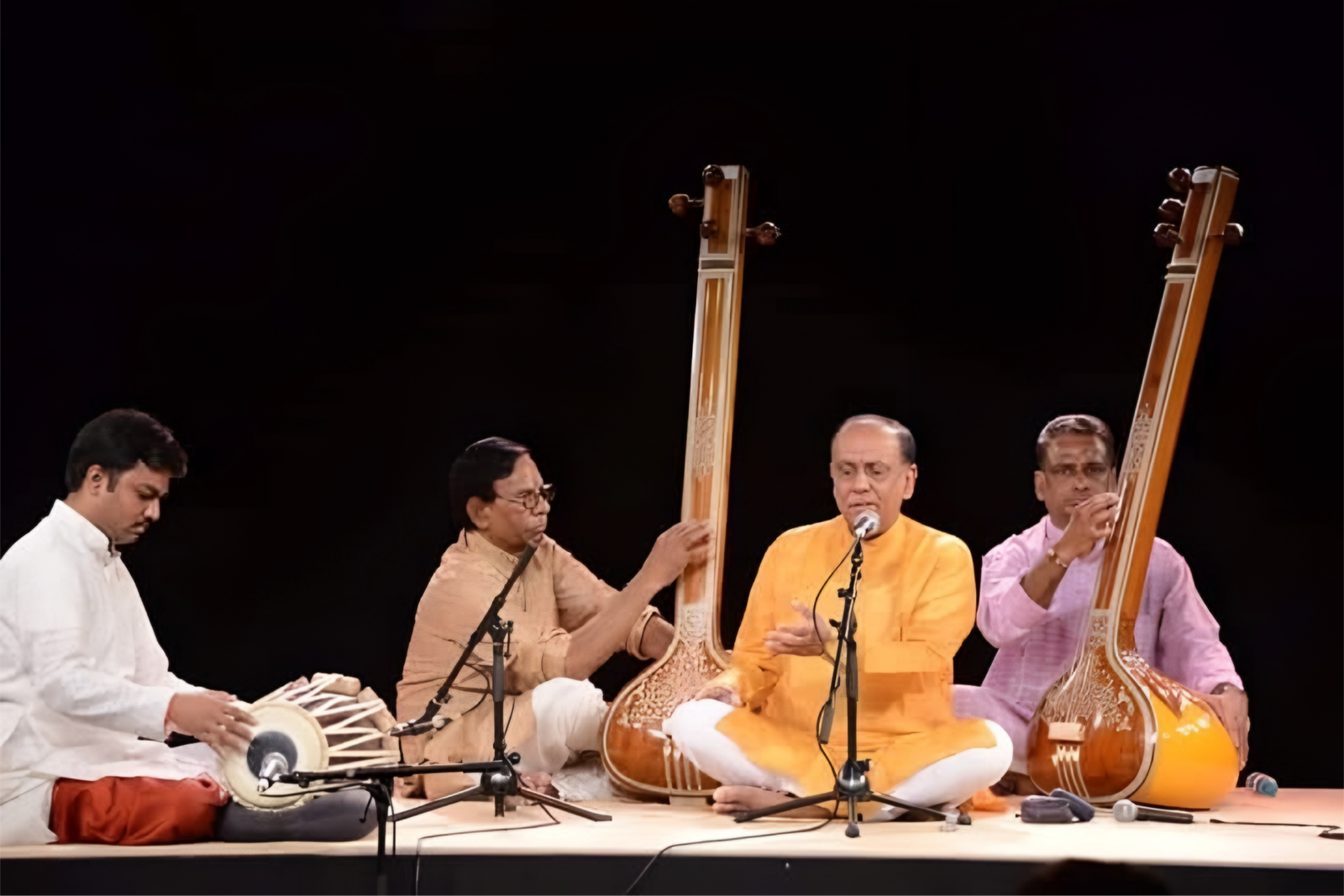
Pt. Rajan & Sajan MishraPadma Bhushan
Pt. Vishwamohan BhattPadma Bhushan
Pt. Bhajan SoporiPadma Shri
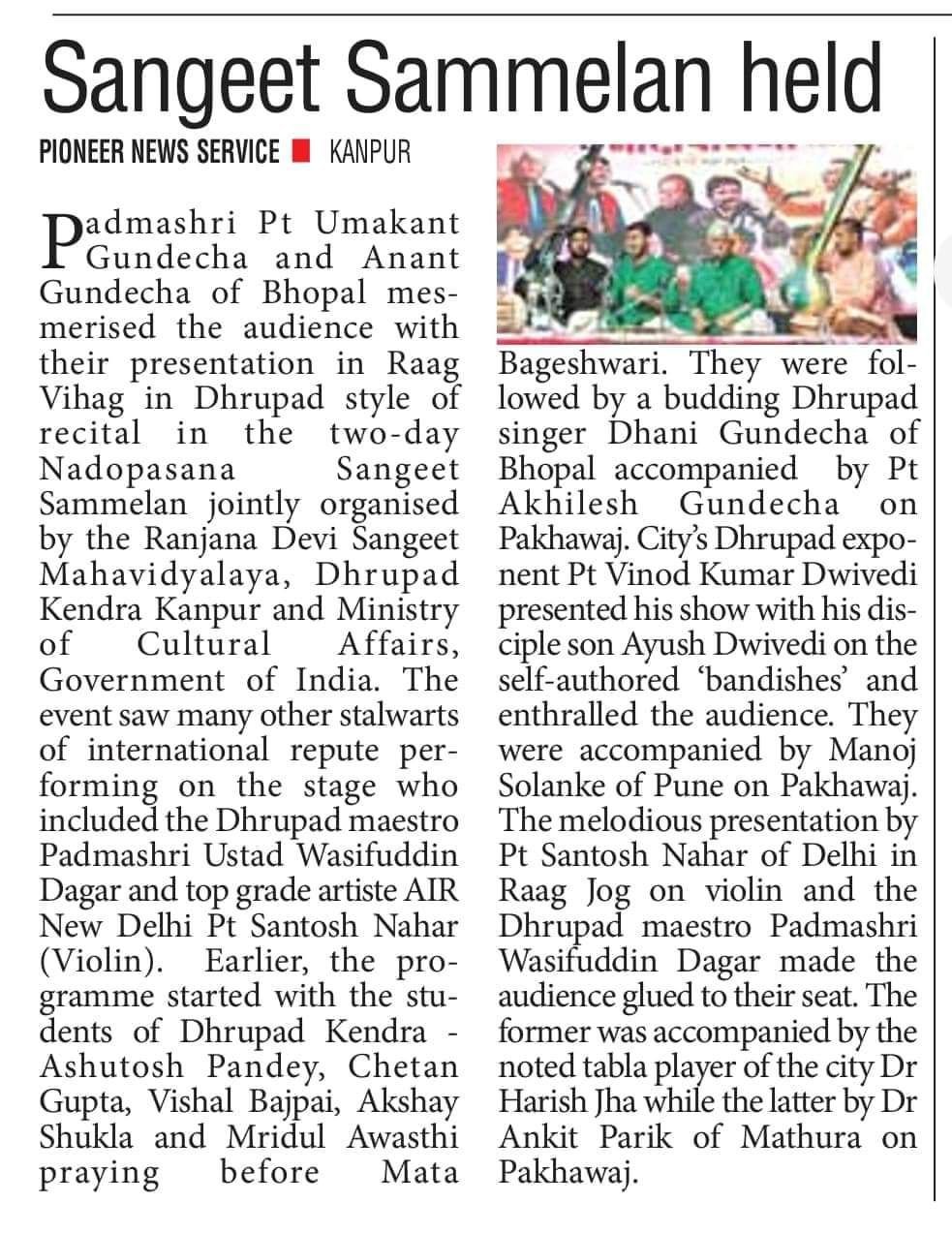
Ustad Wasifuddin DagarPadma Shri
Pt. Ritwik SanyalPadma Shri
Pt. Gundecha BrothersPadma Shri
Pt. Ronu MajumdarPadma Shri
Pt. Shivnath MishraPadma Shri
Prof. V. BalajiUP SNA Awardee
Ustad Bahauddin DagarSNA Awardee
Pt. Uday BhawalkarSNA Awardee
Pt. Prem Kumar MallickSNA Awardee
Pt. Chetan JoshiSNA Awardee
Pt. Abhay Rustum SoporiUstad Bismillah Yuva Puraskar Awardee
Pt. Sukhdev ChaturvediDhrupad Maestro
Vidushi Madhu Bhatt TailangDhrupad Maestro
Pt. Nirmalya DeyDhrupad Maestro

Preserving &
Evolving Tradition

Pakhawaj App
World's First Pakhawaj App

In collaboration with Vimal Institute, Ahmedabad — a digital solution for practitioners of Dhrupad, Veena, and Haveli Sangeet worldwide.

🌐 Visit pakhawaj.co.in
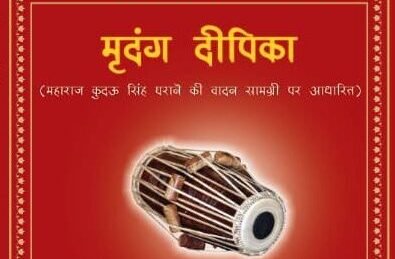
Mridanga Deepika
Mridanga Deepika

A landmark published notation book on Kudau Singh Gharana compositions, making rare traditional knowledge accessible to students.

Soul of Benaras · Spain

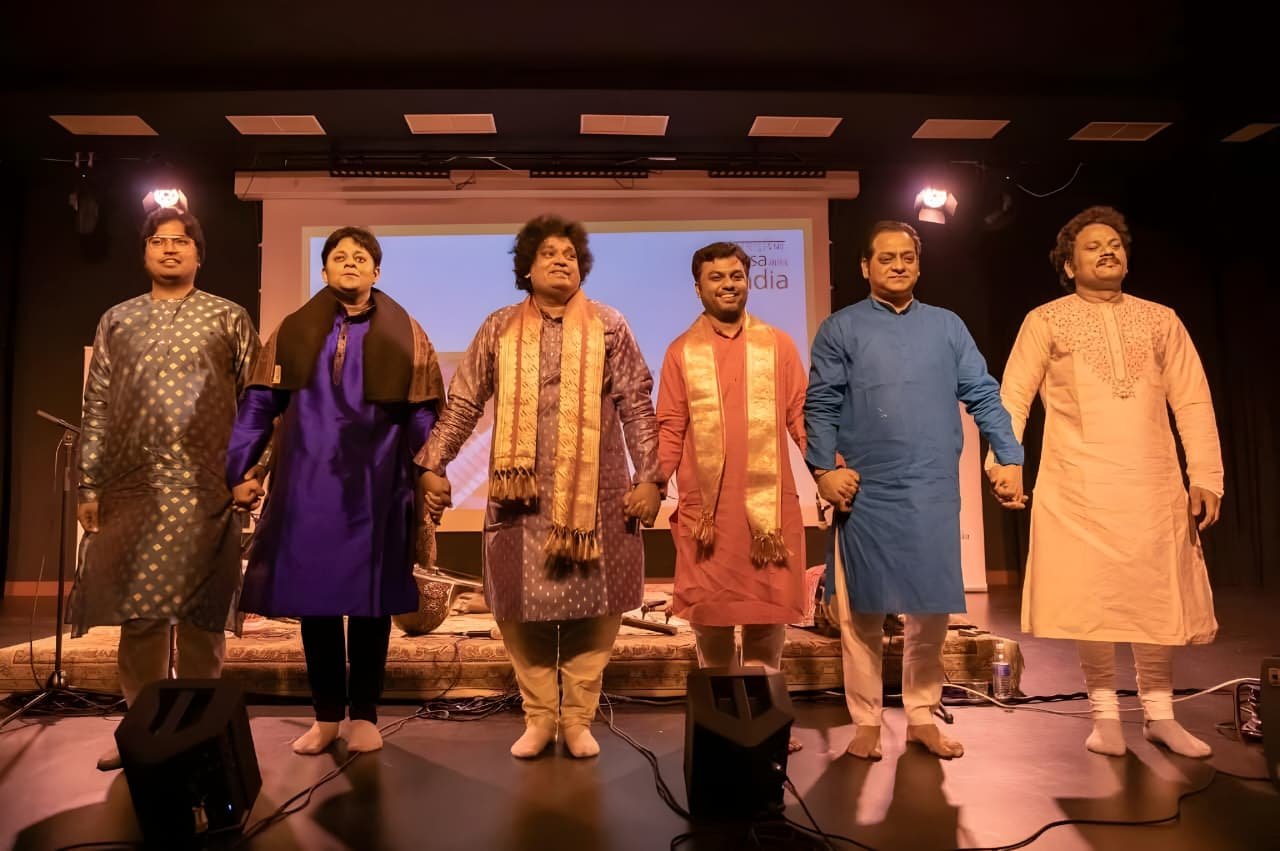
Core member of Soul of Benaras, bringing Banaras's musical tradition to international audiences through ICCR.

Pakhawaj Workshops at V.I.M.A.L.

Intensive HAVELI SANGEET training camps in Surat, Ahmedabad and online masterclasses for serious practitioners.

Free Lessons on
YouTube

Lesson 01
Pakhawaj Basic Lesson 01
Lesson 02
Pakhawaj Basic Lesson 02
View All Videos on YouTube →

Begin Your
Pakhawaj Journey

Whether you are a curious beginner or a serious practitioner seeking mastery, Dr. Ankit Parikh offers structured learning batches rooted in the Guru-Shishya Parampara — available online worldwide and in-person in Mathura, India.

01 Foundation
Beginner Batch

Start your Pakhawaj journey from the very basics. No prior musical experience required.

  • Pakhawaj Alphabets (Bols) & hand positioning
  • Basic Thekas in Teentaal, Ektal, Jhaptaal
  • Introduction to Nikaas (tonal quality)
  • Simple Parans and compositions
  • Weekly 1-on-1 live sessions
  • Practice recordings & assignments
Enroll Now
Popular 02 Intermediate
Intermediate Batch

For students with basic Pakhawaj knowledge. Deepen your understanding of Dhrupad & Haveli Sangeet rhythms.

  • Advanced bols: Ghid-nak, Dhin-nak patterns
  • Vilambit & Drut Laya compositions
  • Stuti Parans & Dhamar compositions
  • Layakari (rhythmic play) techniques
  • Accompaniment basics for vocal/instrumental
  • Weekly 1-on-1 live sessions + doubt clearing
Enroll Now
03 Advanced
Advanced / Performance Batch

For serious practitioners ready for solo performance and advanced accompaniment training.

  • Chakradhar & complex compositions
  • Nana Panse & Nathdwara Gharana styles
  • Solo recital preparation & repertoire
  • Professional accompaniment techniques
  • Haveli Sangeet & Pushtimarg repertoire
  • Personalized mentorship & performance review
Enroll Now
Reserve Your Seat

Limited seats per batch. Fill the form below and we'll reach out within 24 hours.

You can also WhatsApp us directly at +91 9696 542226

The Path of
Guru-Shishya Parampara

"

Learning Pakhawaj under Dr. Ankit Parikh has been a spiritual journey. His patience and depth of knowledge in the Nana Panse Gharana are truly inspiring for any serious seeker of music.

Nishant sharma
Delhi, India
"

Even in online classes, Ankit Sir ensures that every stroke is perfect. His focus on 'Nikaas' (tonal quality) has completely transformed my understanding of the instrument.

Nikhil Patel
Arizona, USA
"

The way Dr. Parikh explains complex 'Parans' and 'Chakkardars' makes them so accessible. He doesn't just teach rhythm; he teaches the soul of the Pakhawaj.

Anurag Srivastav
England, U.K.
Get in Touch

For performances, workshops & collaborations

Contact Dr. Ankit Parikh

Pakhawaj Teacher Near Me — Find a Guru in India & Online

Published: July 2026 · By Dr. Ankit Parikh · 7 min read

Searching for a “Pakhawaj teacher near me”? You are not alone. As interest in Indian classical music grows, more students are looking for qualified Pakhawaj teachers — both in their local area and online.

Finding the right teacher is one of the most important decisions in your musical journey. A great teacher not only teaches you the instrument but connects you to a living tradition that spans centuries.

This guide will help you find a Pakhawaj teacher — whether you are in Varanasi, Mathura, Delhi, Mumbai, or anywhere else in the world.

The Challenge of Finding a Pakhawaj Teacher

Unlike the Tabla, which has teachers in almost every city in India, the Pakhawaj is a more specialized instrument. Qualified Pakhawaj teachers are fewer in number, and they tend to be concentrated in traditional music hubs like:

  • Varanasi — The spiritual home of Indian classical music, with deep Pakhawaj traditions
  • Mathura / Vrindavan — A center for Haveli Sangeet and Pushtimarg traditions where Pakhawaj plays a central role
  • Gwalior — Famous for the Tansen Samaroh and rich musical heritage
  • Delhi — A hub for classical musicians from across India
  • Mumbai — Home to several music institutions and performing artists

If you live in a smaller city or outside India, finding a local Pakhawaj teacher can be difficult. This is where online learning becomes invaluable.

In-Person Pakhawaj Classes — Mathura & Varanasi

Dr. Ankit Parikh offers in-person Pakhawaj classes in the Mathura region of Uttar Pradesh. Located in the heart of the Braj Bhoomi — the land of Lord Krishna — Mathura has a centuries-old tradition of Haveli Sangeet, where the Pakhawaj is the primary percussion instrument.

Why Mathura?

Mathura is not just a pilgrimage city — it is a living center of Haveli Sangeet tradition. The Pakhawaj here is not a museum piece; it is played daily in temples and cultural institutions. Studying in Mathura gives you access to:

  • Live Haveli Sangeet performances in temples
  • Connection to the Pushtimarg tradition
  • A community of practitioners and fellow students
  • The spiritual atmosphere that nourishes musical growth

In-Person Class Details

  • Location: Mathura, Uttar Pradesh, India
  • Mode: 1-on-1 personalized sessions
  • Schedule: Flexible timing, including mornings and evenings
  • Levels: Beginner to Advanced
  • Curriculum: Nana Panse Gharana + Nathdwara traditions

If you are in the Mathura, Vrindavan, Agra, or Delhi NCR region, in-person classes are an excellent option.

Online Pakhawaj Classes — Learn From Anywhere

For students who cannot travel to Mathura or Varanasi, Dr. Parikh’s online Pakhawaj program offers the same authentic training through live video sessions.

Students Currently Learning Online From:

  • India: Delhi, Ahmedabad, Varanasi, Mathura, and other cities
  • USA: Arizona, California, New York, and other states
  • UK: London, Bristol, and other cities
  • Other countries: Students from multiple countries worldwide

How Online Classes Work

  1. Enrollment: Fill the enrollment form or WhatsApp at +91 9696 542226
  2. Level assessment: A brief conversation to determine your current level
  3. Schedule: Weekly sessions at a time convenient for your time zone
  4. Learning: Live 1-on-1 video sessions with Dr. Parikh
  5. Practice: Between-session practice with recorded assignments
  6. Feedback: WhatsApp support for doubt clearing and practice review

How to Choose the Right Pakhawaj Teacher

When searching for a “Pakhawaj teacher near me,” consider these factors:

1. Lineage and Gharana

Ask about the teacher’s Gharana (school). Each Gharana has its own style, compositions, and aesthetic. A teacher rooted in a specific tradition offers authentic compositions and techniques that are not available elsewhere.

2. Performance Experience

A teacher who performs regularly at festivals and concerts brings practical musical insights to the classroom. They understand the demands of stage performance and can prepare you for real-world musical situations.

3. Teaching Experience

Being a great performer does not automatically make someone a great teacher. Look for a teacher who has a track record of producing capable students and who has a structured teaching methodology.

4. Credentials

Awards, academic qualifications, and empanelment with organizations like ICCR, AIR, or Sangeet Natak Akademi indicate peer recognition and professional standing.

5. Compatibility

The Guru-Shishya relationship is deeply personal. You will be spending significant time with this teacher. Make sure you feel comfortable with their teaching style, communication, and approach.

About Dr. Ankit Parikh

Dr. Ankit Parikh is one of India’s leading Pakhawaj artists and teachers. He is based in Mathura and offers both in-person and online classes.

Why Study with Dr. Parikh?

  • Authentic lineage: Nana Panse Gharana + Nathdwara traditions
  • Academic depth: Ph.D. from Banaras Hindu University
  • Performance pedigree: AIR graded, ICCR empanelled, 30+ festivals
  • World-class collaborations: Has performed with Pt. Rajan & Sajan Mishra, Pt. Gundecha Brothers, Ustad Wasifuddin Dagar, and many more
  • Awards: Swati Tirunal Award, Mridang Gaurav Puraskar, Girnar Ratna, Talmani Award
  • Global reach: Students from India, USA, UK, and beyond

Recognition

  • Featured in The Hindu, Firstpost, The Indian Express, The Asian Age
  • Performed at Rashtrapati Bhawan, G20 Summit, Tansen Samaroh, Sankat Mochan
  • ICCR-sponsored tours to Spain and international festivals
  • Featured on NCPA, Bangalore International Centre, Mahindra Kabira Festival platforms

Cities and Regions We Serve

In-Person Classes

  • Mathura, Uttar Pradesh — Primary location
  • Vrindavan, Uttar Pradesh — Nearby
  • Agra, Uttar Pradesh — Accessible
  • Delhi NCR — Periodic in-person sessions available
  • Varanasi, Uttar Pradesh — Periodic in-person sessions available

Online Classes (Worldwide)

  • All cities in India
  • United States (all states)
  • United Kingdom
  • Canada
  • Australia
  • And any country with internet access

Frequently Asked Questions

Are there Pakhawaj teachers in my city?

Qualified Pakhawaj teachers are rare outside major music centers. If you cannot find a local teacher, Dr. Parikh’s online program provides the same quality training through live video sessions.

Can I learn Pakhawaj if I live outside India?

Absolutely. Dr. Parikh has students in the USA, UK, and other countries. The online program is designed to accommodate different time zones.

Do you offer trial classes?

Contact Dr. Parikh directly to discuss trial class options. WhatsApp at +91 9696 542226.

What is the difference between learning Pakhawaj and Tabla?

The Pakhawaj is an older instrument with a deeper, more resonant sound. It is primarily used in Dhrupad and Haveli Sangeet traditions. The Tabla evolved from the Pakhawaj and is used in Khayal, Thumri, and lighter genres. The choice depends on your musical interests.

Can I learn both Pakhawaj and Tabla?

While it is possible to learn both, most teachers recommend focusing on one instrument at a time. The techniques and aesthetics are quite different. Some musicians do play both, but mastery in one usually requires dedicated focus.

Get Started Today

Whether you are in Mathura, Delhi, Mumbai, or anywhere else in the world, you can begin your Pakhawaj journey today. Dr. Ankit Parikh’s structured program offers authentic training in the Nana Panse Gharana tradition, tailored to your level and schedule.

Find a Pakhawaj Teacher

Phone: +91 9696 542226  |  Email: a.parikh42@gmail.com

WhatsApp Us

About Dr. Ankit Parikh

Dr. Ankit Parikh is a distinguished Pakhawaj artist of the Nana Panse Gharana, born in Varanasi and based in Mathura. He holds a Ph.D. in Music from Banaras Hindu University and is an empanelled artist of ICCR and a graded artist of All India Radio. He has performed at India’s most prestigious festivals and has accompanied legendary musicians across the country.

As a teacher, he is committed to preserving the authentic Pakhawaj tradition while making it accessible to students worldwide through online and in-person classes.

Website: ankitparikhpakhawaj.com

YouTube: youtube.com/@ankitparikhpakhawaj28

Instagram: @ankit.sangit.parikh