
Haveli Sangeet Pakhawaj — The Sacred Rhythm of Pushtimarg
Published: July 2026 · By Dr. Ankit Parikh · 12 min read
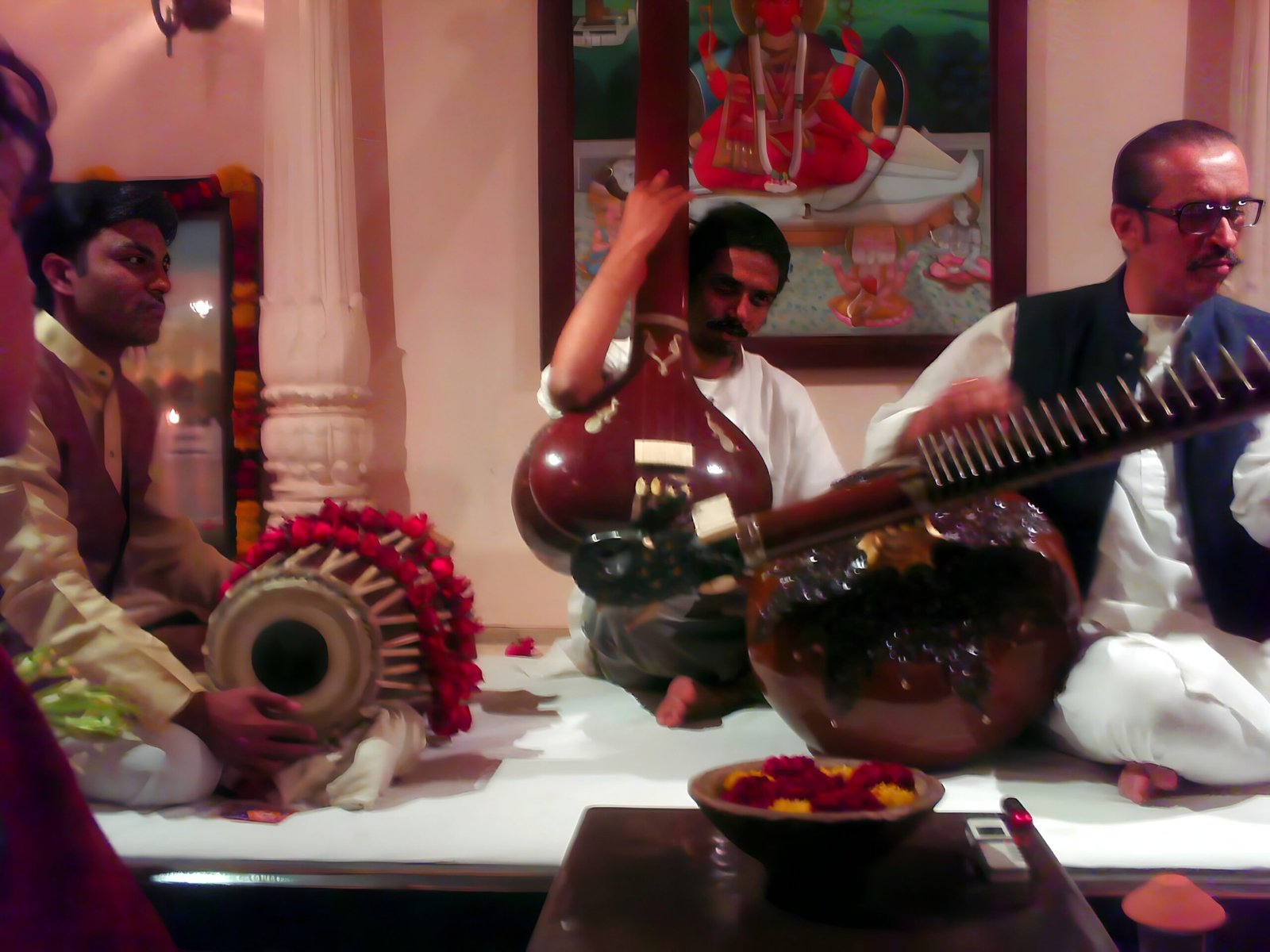
Deep within the temples of Nathdwara, Mathura, and Vrindavan, a musical tradition has thrived for centuries — one that predates the concert halls, the recordings, and the music festivals. This is Haveli Sangeet, the devotional music of the Pushtimarg, and at its rhythmic heart stands the Pakhawaj.
Unlike the more widely known Dhrupad or Khayal traditions, Haveli Sangeet remains largely unfamiliar to the outside world. Yet it is one of the oldest living musical traditions in India, with a repertoire, aesthetic, and playing style that is entirely its own.
This article explores the world of Haveli Sangeet, the unique role of the Pakhawaj within it, and how this sacred tradition continues to evolve in the hands of a new generation.
What is Haveli Sangeet?
Haveli Sangeet literally translates to “temple music” — the music performed in the Havelis (temples) of the Pushtimarg tradition. The Pushtimarg, founded by the great philosopher-saint Sri Vallabhacharya (1479–1531), is a Vaishnavite devotional path centered on the worship of Lord Krishna as Shrinathji.
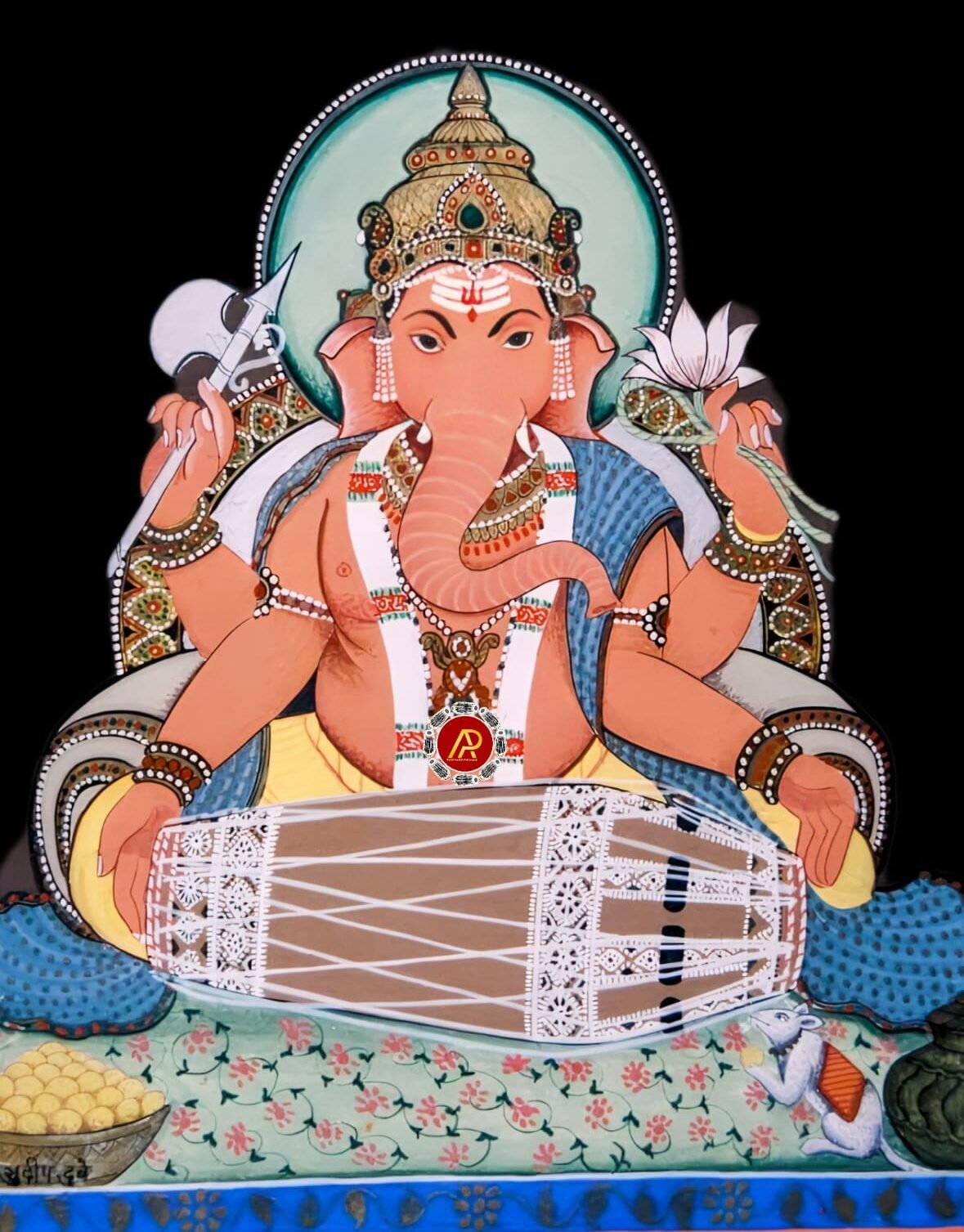
In the Pushtimarg tradition, music is not entertainment — it is Seva (divine service). Every raga, every composition, every rhythmic cycle is offered to the deity as an act of devotion. The Pakhawaj, along with the harmonium and voice, forms the core ensemble of this tradition.
The Structure of a Haveli Sangeet Performance
A typical Haveli Sangeet session follows a specific structure:
- Avahat — The opening invocation, setting the mood and raga
- Thumri / Kirtan — Devotional compositions in various ragas, each dedicated to a specific time of day or season
- Dhamar — A rhythmic composition in slow to medium tempo, often depicting scenes from Krishna’s life
- Chaturang — A four-part composition showcasing raga, tala, lyrics, and laya
- Bhajan — Simple devotional songs for congregational singing
Throughout this structure, the Pakhawaj provides the rhythmic foundation — but in Haveli Sangeet, it does much more than that. It converses with the vocalist, responds to the emotional content of the lyrics, and creates the atmosphere of devotion.
The Role of Pakhawaj in Haveli Sangeet
In Haveli Sangeet, the Pakhawaj is not merely an accompanying instrument. It is the heartbeat of the tradition. Here’s what makes its role unique:
1. The Nathdwara Connection
The Nathdwara Gharana of Pakhawaj was born specifically to serve Haveli Sangeet. Founded by Pt. Roopram ji and Pt. Ghanshyam ji, this tradition developed a playing style perfectly suited to the devotional character of Pushtimarg kirtans.
The Nathdwara style is characterized by:
- Komal Bol (soft syllables) — A gentle, warm sound that complements the devotional mood
- Stuti Parans — Rhythmic compositions specifically created for temple worship
- Laya sensitivity — The ability to follow the vocalist’s emotional journey through tempo changes
- Subtle dynamics — Never overpowering the vocalist, always supporting
2. Conversation with the Deity
In a Haveli Sangeet performance, the Pakhawaj player is not just accompanying a singer — they are participating in a conversation with the divine. Every stroke, every rhythmic pattern is an offering. This requires a spiritual understanding that goes beyond technical proficiency.
The great Pakhawaj masters of the Nathdwara tradition would often play for hours in the temple, responding to the deity’s moods and the devotional atmosphere. This tradition of living the music, rather than merely performing it, is what sets Haveli Sangeet apart.
3. Specific Compositions
Haveli Sangeet has its own repertoire of Pakhawaj compositions that are not found in Dhrupad or other traditions. These include:
- Thahraav Parans — Slow, meditative rhythmic patterns
- Sayani Bols — Soft, gentle strokes for quiet devotional passages
- Kasht Parans — Complex patterns for climactic moments
- Rela — Flowing, continuous patterns that create a meditative state
- Kayda — Theme-and-variation patterns that develop gradually
4. The Fresh Dough Technique
The Pakhawaj uses fresh wheat dough (syahi or gab) on the bass side to create its deep, resonant bass tones. In Haveli Sangeet, the quality of this bass is particularly important — it must be warm, round, and supportive, never harsh or overwhelming. The preparation and application of the dough is itself a ritual, connecting the player to the instrument in a physical and spiritual sense.
The Pushtimarg Musical Tradition
The Pushtimarg is not just a religious path — it is a complete cultural system that includes art, architecture, cuisine, and above all, music. The tradition holds that music is the highest form of devotion, and the Pakhawaj is its most sacred instrument.
Historical Roots
Sri Vallabhacharya, the founder of Pushtimarg, was himself a scholar of music and aesthetics. His son, Sri Vithalnath, established the musical traditions of the Havelis. Over centuries, Pakhawaj players developed a unique style that was distinct from the Dhrupad and Court traditions.
The Nathdwara temple, the primary seat of Pushtimarg, became a center of musical innovation. Pakhawaj players here developed compositions, bols, and techniques specifically for temple worship — a body of knowledge that exists nowhere else.
The Living Tradition
Unlike museum traditions, Haveli Sangeet is alive and practiced daily in temples across India. In Nathdwara, Mathura, Vrindavan, and other Pushtimarg centers, Pakhawaj players perform the same compositions that were created centuries ago, maintaining an unbroken chain of transmission.
This living tradition requires Pakhawaj players who are not just technically skilled but spiritually immersed. A Haveli Sangeet Pakhawaj player must understand the devotional context, the seasonal variations, and the subtle emotional nuances that make each performance unique.
Dr. Ankit Parikh — Rooted in Haveli Sangeet
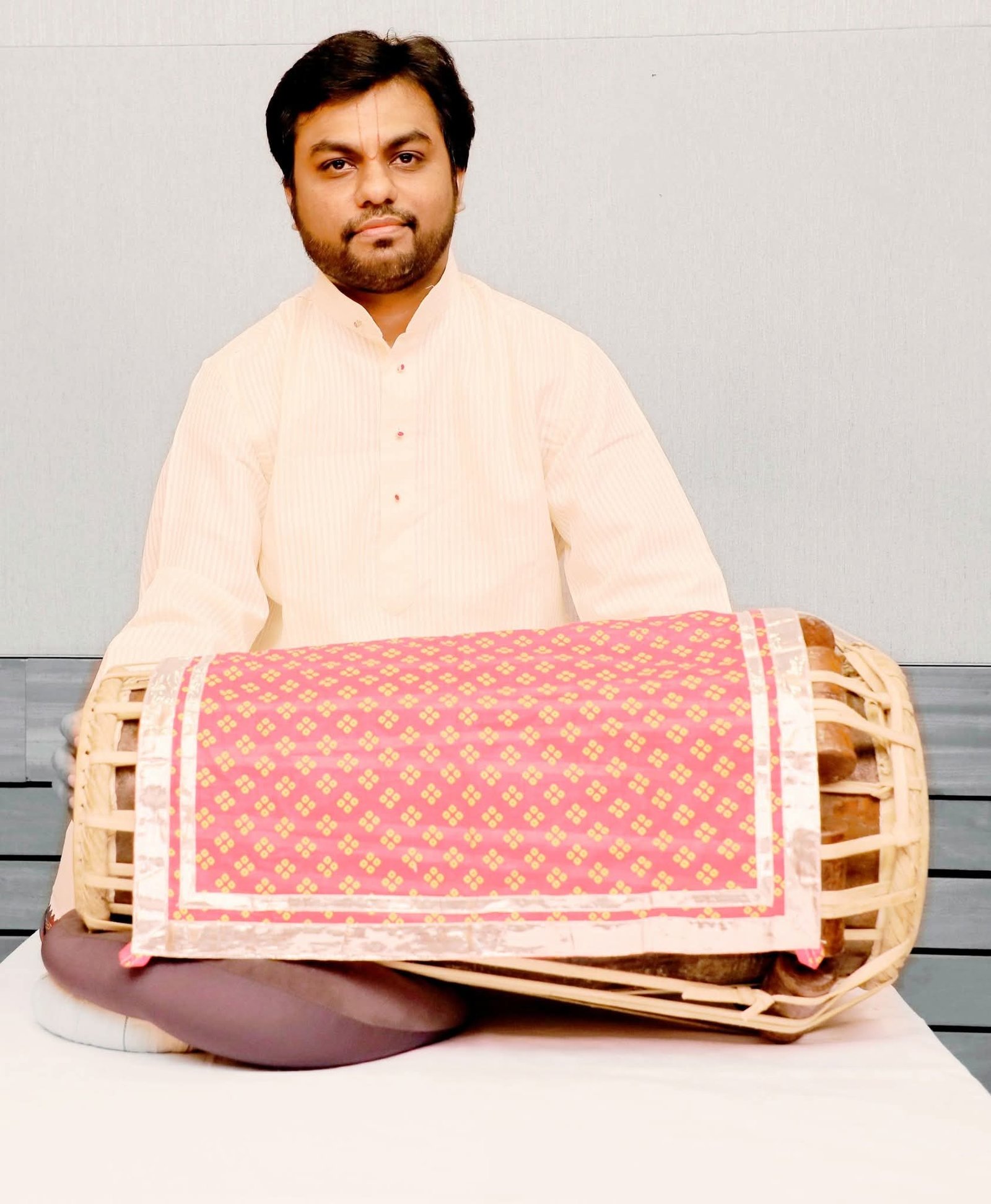
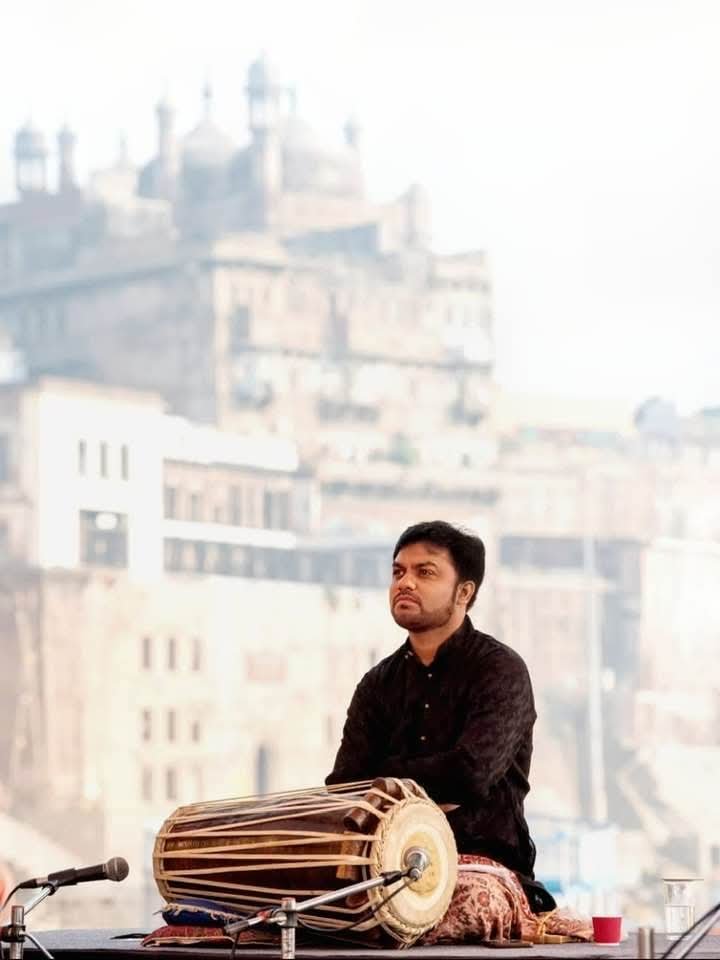
Dr. Ankit Parikh is one of the few Pakhawaj artists in India who carries deep training in both the Nana Panse Gharana and the Nathdwara (Haveli Sangeet) traditions. This dual lineage gives him a unique understanding of the Pakhawaj’s role in devotional music.
Guru: H.H. Goswami Shri Kalyan Rai ji Maharaj
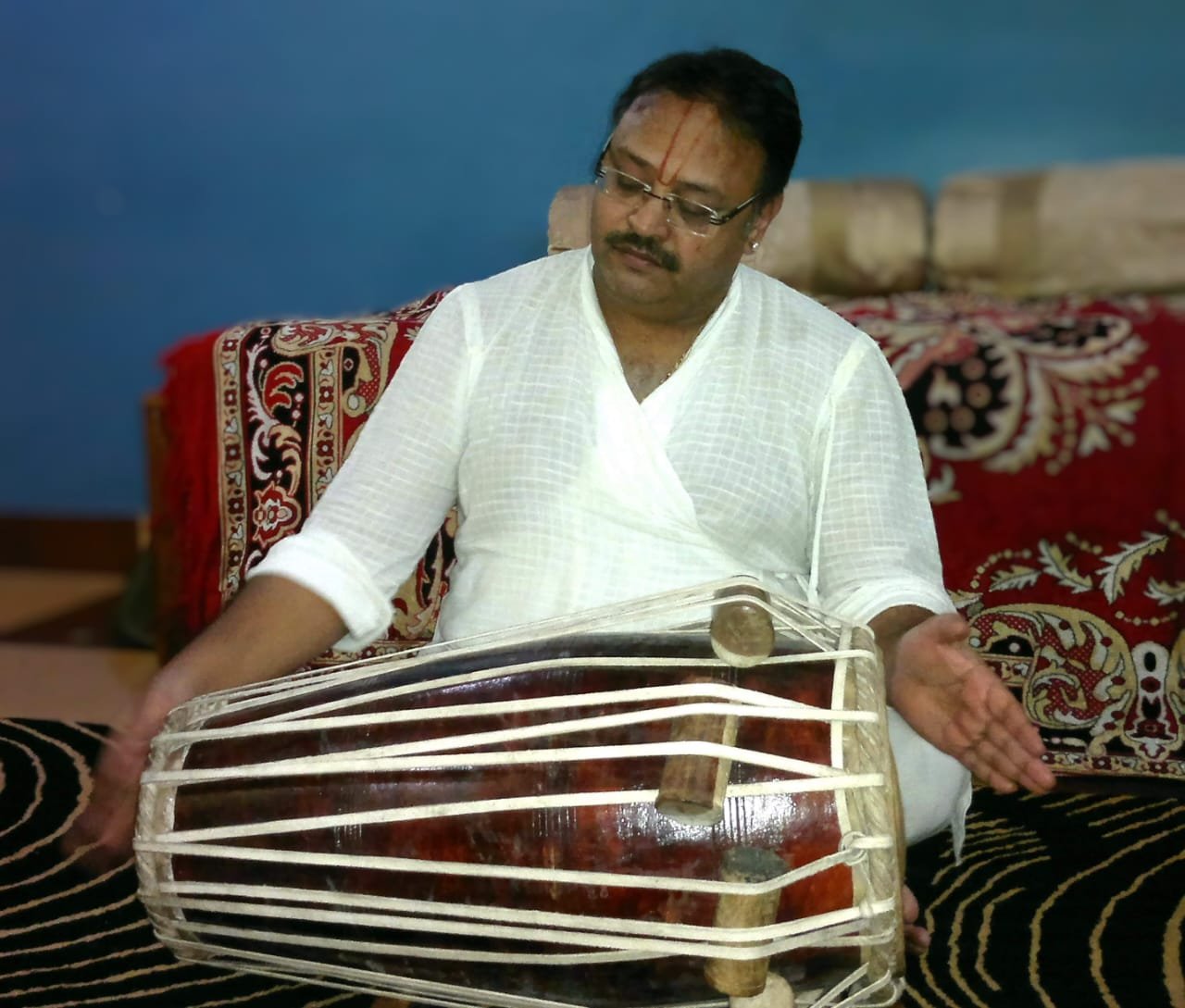
Ankit’s primary Guru, H.H. Goswami Shri Kalyan Rai ji Maharaj, is the direct descendant of Sri Vallabhacharya and an Acharya of the Vallabh Sampradaya. Maharajshri is a living repository of Haveli Sangeet knowledge — he learned Pakhawaj by watching other players in the temple and developed an intimate understanding of the tradition’s spiritual and musical dimensions.
Under this guidance, Ankit received training in:
- The complete Nathdwara Pakhawaj repertoire
- Traditional Haveli Sangeet compositions
- The spiritual and devotional approach to Pakhawaj playing
- Accompaniment for Pushtimargiya Kirtan
- Stuti Parans and traditional compositions of the Haveli tradition
Mathura — The Heart of Haveli Sangeet
Based in Mathura — the birthplace of Lord Krishna and a center of Pushtimarg — Dr. Parikh is immersed in the living tradition of Haveli Sangeet. He regularly performs in temples and cultural institutions, maintaining the connection between the Pakhawaj and its devotional roots.
Performance Philosophy
For Dr. Parikh, Haveli Sangeet is not just a performance style — it is a way of life. His approach to the Pakhawaj combines the technical brilliance of the Nana Panse tradition with the spiritual depth of the Nathdwara tradition, creating a playing style that is both musically sophisticated and devotionally resonant.
Learning Haveli Sangeet Pakhawaj
If you are interested in learning the Pakhawaj specifically for Haveli Sangeet, Dr. Parikh offers specialized training that covers:
What You Will Learn
- Traditional Haveli Sangeet Pakhawaj bols and compositions
- The Nathdwara Gharana playing style
- Accompaniment techniques for Kirtan and Bhajan
- Stuti Parans and devotional compositions
- The spiritual approach to Pakhawaj playing
- How to prepare for temple performances
- The seasonal and time-based variations in Haveli Sangeet
Prerequisites
Some basic Pakhawaj knowledge is recommended, but serious beginners with a devotional orientation are also welcome. The most important quality is a genuine interest in the Pushtimarg tradition and its music.
Mode
Available both in-person (Mathura) and online for students worldwide.
Frequently Asked Questions
What is the difference between Haveli Sangeet and Dhrupad?
While both traditions use the Pakhawaj, they have distinct aesthetics. Dhrupad is a concert tradition focused on raga exploration and technical mastery. Haveli Sangeet is a devotional tradition where music is offered as Seva (service) to the deity. The bols, compositions, and playing style differ significantly between the two.
Do I need to be religious to learn Haveli Sangeet?
You don’t need to follow a specific religion, but you should have respect for the Pushtimarg tradition and its devotional approach to music. An open heart and genuine curiosity are more important than religious affiliation.
Can I learn Haveli Sangeet Pakhawaj online?
Yes. While the spiritual atmosphere of a temple cannot be replicated online, the technical training, compositions, and playing style can be effectively taught through live video sessions. Dr. Parikh’s online program includes Haveli Sangeet-specific training.
What temples have Haveli Sangeet performances?
The primary centers are Nathdwara (Rajasthan), Mathura, Vrindavan, and various Pushtimarg temples across Gujarat, Rajasthan, and Uttar Pradesh. Dr. Parikh can guide students on where to experience live Haveli Sangeet.
How is the Pakhawaj different in Haveli Sangeet versus Dhrupad?
In Haveli Sangeet, the Pakhawaj plays a more supportive, conversational role. The sound is generally softer, with more emphasis on Komal Bols and gentle dynamics. In Dhrupad, the Pakhawaj has a more prominent, powerful presence with emphasis on technical complexity and speed.
Begin Your Haveli Sangeet Journey
Haveli Sangeet is a treasure that few outside the Pushtimarg tradition have experienced. If you feel drawn to this devotional music and want to learn the Pakhawaj in this unique tradition, Dr. Ankit Parikh offers the rare combination of deep traditional training and modern teaching methods.
Phone: +91 9696 542226 | Email: a.parikh42@gmail.com